

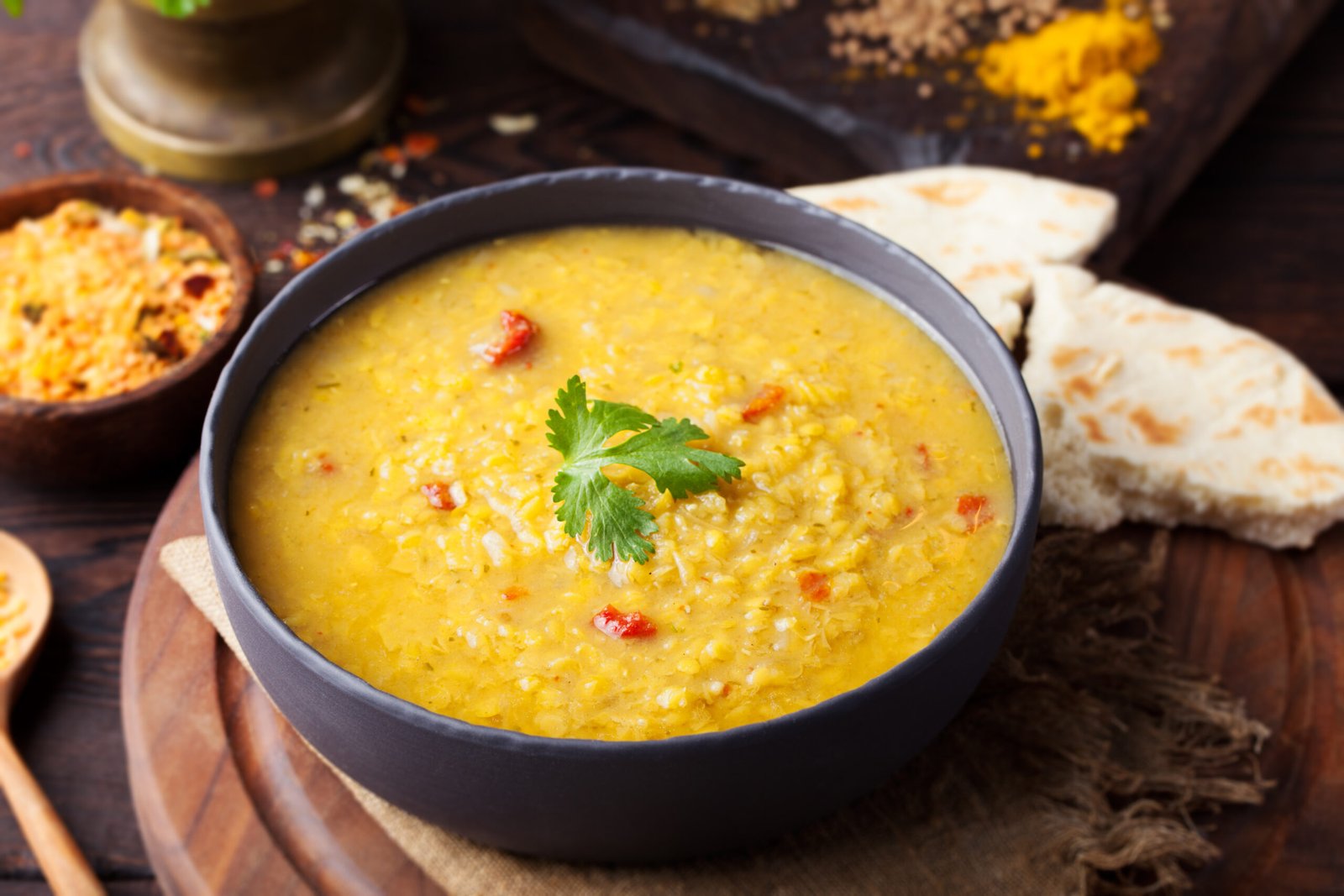
Among the many gems of Indian cuisine, Gujarati dal stands out for its beautiful blend of sweet, tangy, and mildly spicy flavors. At Shalimar Restaurant in Phuket, this comforting lentil preparation has become a guest favorite—thanks to its homestyle taste, balanced spices, and smooth texture. Whether enjoyed with steamed rice, soft rotis, or traditional khichdi, this dish brings a sense of warmth to every meal.
In this article, you’ll learn everything about the dal recipe, how this beloved dish is prepared, and what makes it different from other regional styles of dal. We also explore helpful tips, common variations, and answers to frequently asked questions.
What Makes Gujarati Dal Unique?
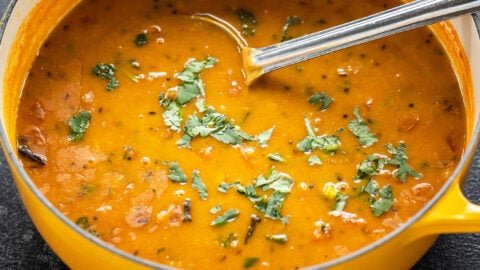
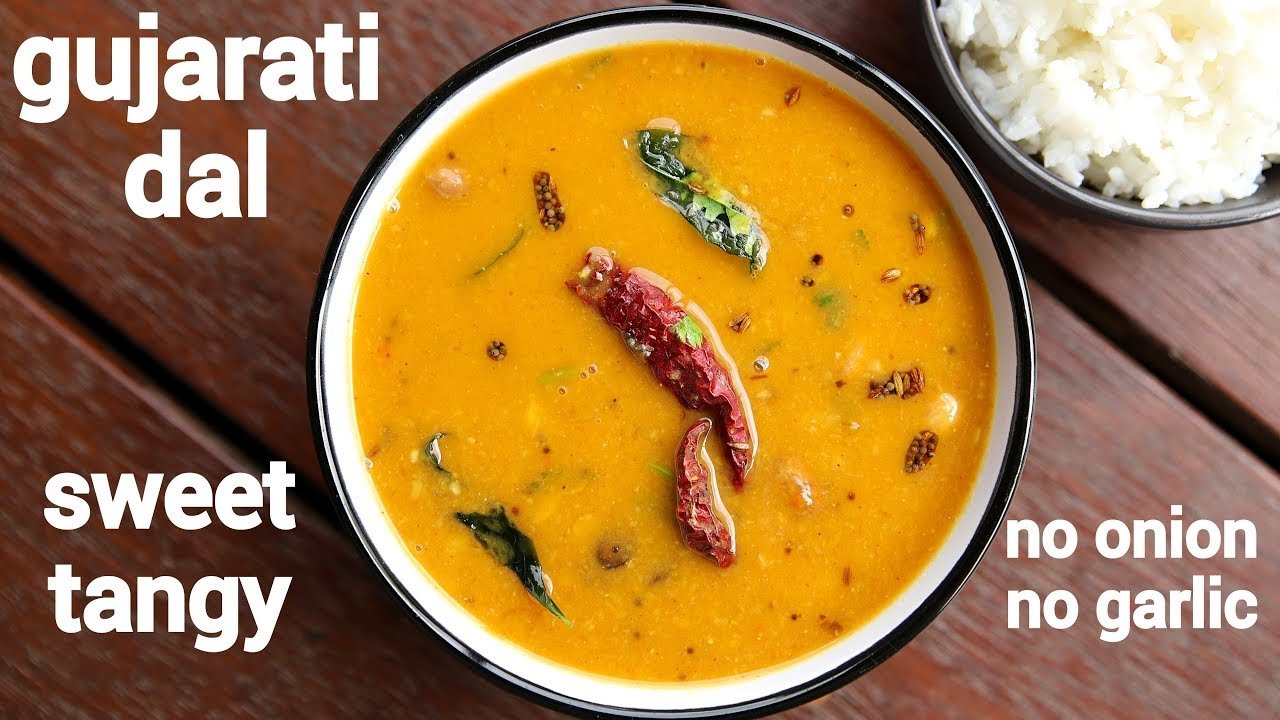
Unlike many Indian dals that rely mainly on spice and heat, Gujarati dal is known for its sweet, tangy, and mild flavour profile. Traditionally made with arhar dal (toor dal), it gets its distinctive taste from the use of jaggery and tamarind. This balance of flavors is what gives it its identity and makes it incredibly comforting.
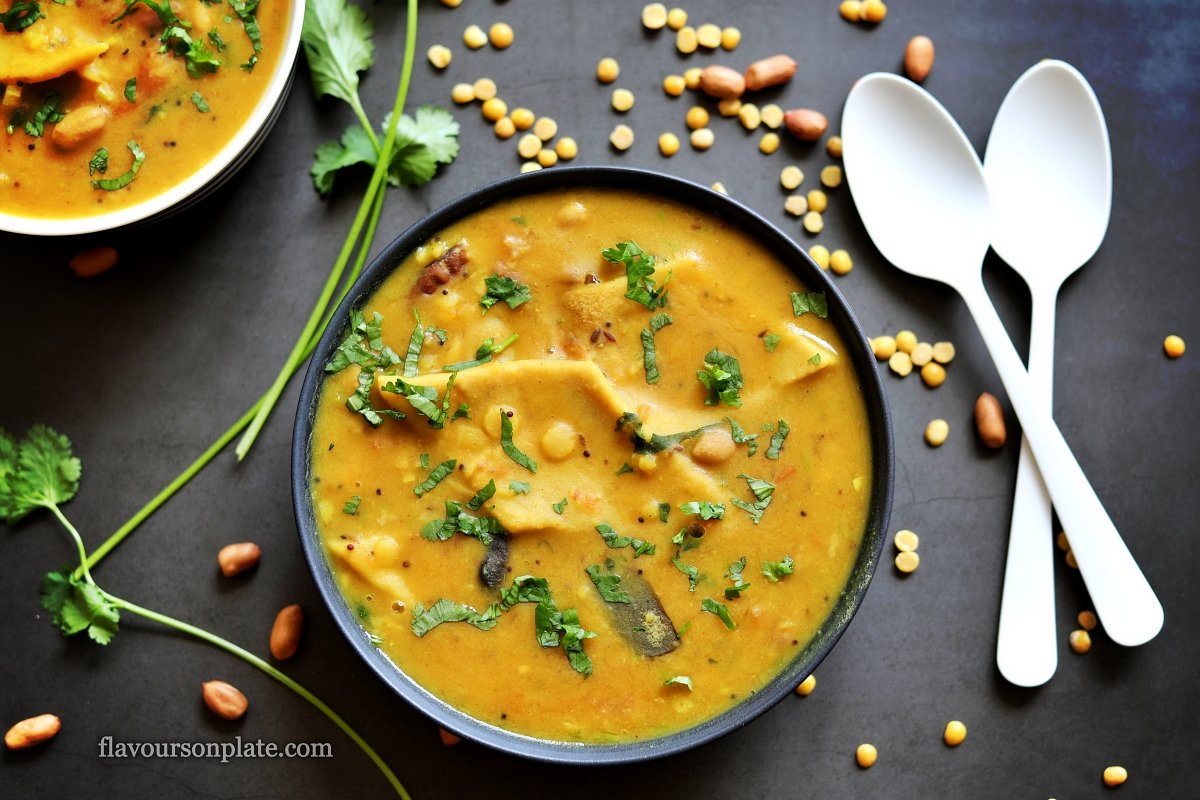
In many Gujarati homes, this dal is cooked daily, served with rice or added to festive meals. Even dishes like dal dhokli recipe use the same base, poured over soft wheat flour dumplings to create a wholesome meal.
Ingredients Used in Gujarati Dal
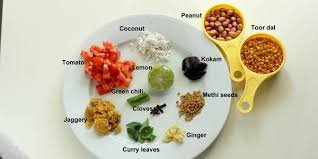
A typical preparation includes:
- Arhar dal (toor dal), which forms the base
- Turmeric and salt
- A tempering of mustard seeds, cumin seeds, curry leaves, and red chilies
- Ginger and green chilies for a touch of heat
- Tamarind for tanginess
- Jaggery for sweetness
- Fresh coriander leaves
These ingredients work together to create a smooth, flavorful dal that is light yet satisfying.
Gujarati Dal Recipe – Step-by-Step
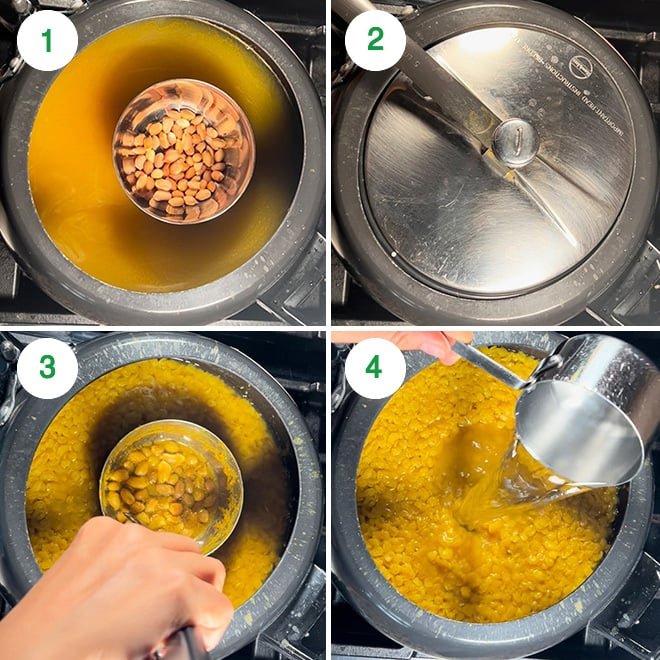
If you’re curious about how we prepare this signature dish at Shalimar, here’s a simplified breakdown of the process.
1. Cook the Dal
Wash arhar dal thoroughly and pressure-cook it with turmeric until soft. The dal should become creamy when whisked.
2. Blend the Base
Once cooked, the dal is mashed and mixed with water to achieve a medium, pourable consistency.
3. Add Flavors
Tamarind pulp and jaggery are added to create the signature sweet-tangy profile. Adjust sweetness and sourness according to taste.
4. Prepare the Tempering
In hot oil, mustard seeds, cumin seeds, red chilies, curry leaves, and asafetida are added. The aroma released during this step builds the foundation of flavor.
5. Combine & Simmer
The tempering is poured into the dal, followed by ginger and green chili. The mixture is simmered until all flavors come together beautifully.
6. Garnish
Fresh coriander leaves and a few drops of ghee complete the preparation.
At Shalimar, we follow an authentic style while ensuring the dish remains balanced and consistent every time.
Popular Variations
Gujarati cuisine is diverse, and even dal has multiple versions:
1. Sweet Gujarati Dal
A slightly sweeter version, enjoyed commonly in traditional Gujarati households.
2. Spicy Gujarati Dal
Prepared with more green chilies and red chili powder, ideal for those who prefer a little heat.
3. Dal Dhokli
A unique dish where the dal becomes a base for wheat dumplings. This is where recipes such as gujarati dal dhokli recipe come into play.
4. Village-Style Dal
Often rustic, thinner in consistency, and cooked slowly for deeper flavor.
Understanding these variations helps you appreciate the versatility of this classic dish.
Serving Suggestions
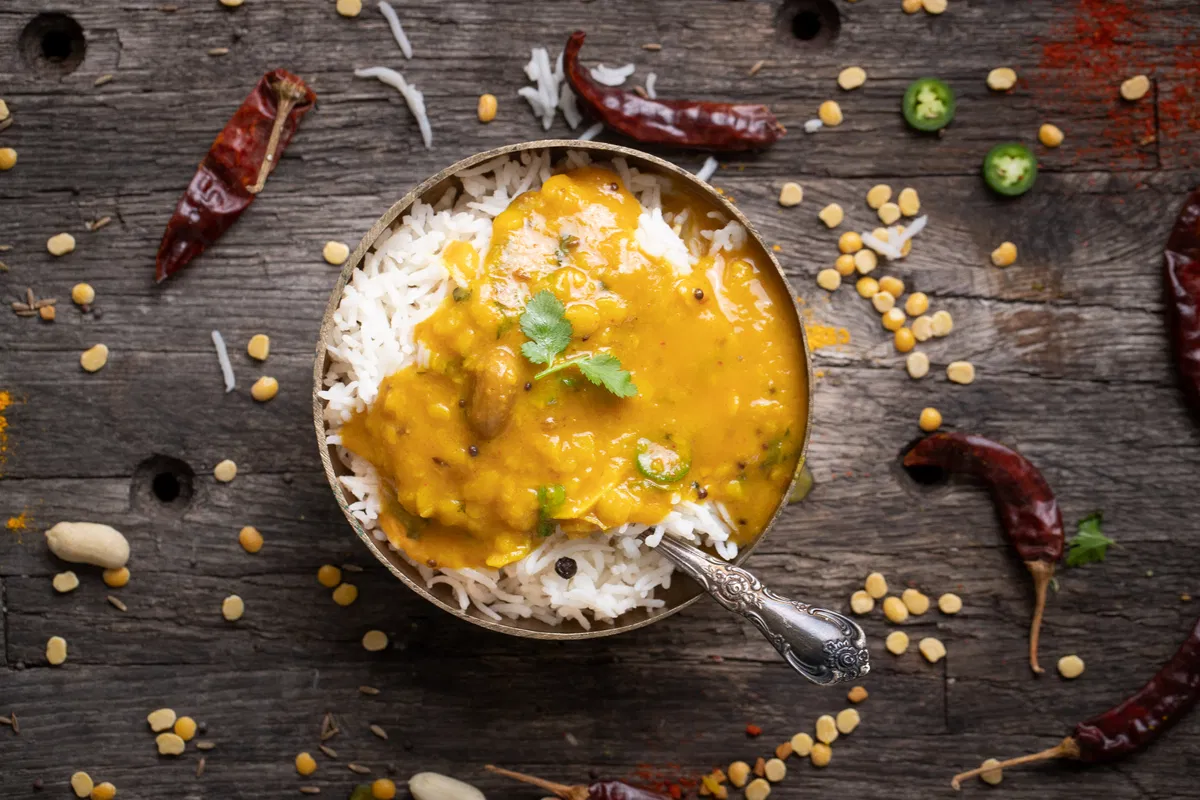
Gujarati dal pairs wonderfully with:
- Steamed rice
- Jeera rice
- Khichdi
- Rotis or chapatis
- Traditional Gujarati thali
At Shalimar Phuket, many guests enjoy it alongside vegetable dishes like aloo gobi, cabbage sabzi, or paneer preparations.
Health Benefits
Gujarati dal is nutritious and wholesome. Since it is made with lentils, it is rich in:
- Protein
- Fiber
- Vitamins
- Essential minerals
Its balance of sweet and tangy flavors makes it light on the stomach while still being satisfying. With controlled oil and spices, it’s a healthy addition to any daily diet.
FAQs
1. How to make Gujarati dal?
Cook arhar dal until soft, mash it, add tamarind and jaggery, and temper it with spices like mustard seeds, cumin, curry leaves, and chilies.
2. How to make vaal ni dal Gujarati style?
Vaal beans are cooked similarly to toor dal but with added spices and sometimes coconut, giving it a richer texture.
3. How to cook Gujarati dal correctly?
Ensure the dal is well-cooked and mashed, and simmer long enough for the sweet, sour, and spicy flavors to blend perfectly.
4. How to make dal dhokli Gujarati style?
Prepare Gujarati dal and add rolled, cut wheat dough pieces. Cook until the dough softens and absorbs the flavors.
5. How to make dal dhokli step-by-step?
Start with the dal, prepare the dough separately, add the pieces to the simmering dal, and cook until everything becomes soft and flavorful.