

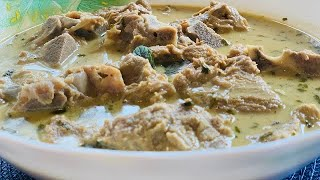
When it comes to traditional and comforting dishes, mutton yakhni is a timeless favorite. Known for its delicate flavors, aromatic spices, and light yet rich broth, this dish is a perfect balance of taste and nourishment. It is widely enjoyed as a soup or used as a base for rice dishes.
At Shalimar, we specialize in preparing authentic recipes that highlight tradition and quality. This classic preparation is crafted with care to deliver a soothing and flavorful experience.
Mutton yakhni is a slow-cooked broth made with mutton, whole spices, and mild seasoning. Unlike heavily spiced curries, it focuses on subtle flavors that allow the natural taste of the meat to shine.
Why Mutton Yakhni Is So Popular
There are several reasons why this dish remains a favorite:
- Light yet flavorful: Not overly spicy, making it easy to enjoy
- Aromatic: Infused with whole spices
- Versatile: Can be served as soup or used in rice dishes
- Comforting: Perfect for both everyday meals and special occasions
Its simplicity and elegance make it stand out among traditional dishes.
Mutton Yakhni Ingredients
The flavor of this dish comes from carefully selected ingredients.
Main Ingredients
- Mutton (bone-in pieces for better flavor)
- Water
Aromatics
- Onion (sliced)
- Garlic
- Ginger
Whole Spices
- Bay leaves
- Cinnamon stick
- Cardamom
- Cloves
- Black peppercorns
Additional Ingredients
- Yogurt (for a creamy touch in some variations)
- Fresh coriander
These ingredients form a classic and authentic mutton yakhni recipe.
How to Make Mutton Yakhni
If you are wondering how to make mutton yakhni, follow these steps:
Step 1: Prepare the Mutton
Wash the mutton pieces thoroughly. Bone-in pieces are preferred for a richer broth.
Step 2: Boil the Base
In a pot, add mutton and water. Bring it to a boil and remove any foam that forms on top.
Step 3: Add Aromatics
Add onions, garlic, and ginger to enhance flavor.
Step 4: Add Whole Spices
Add bay leaves, cinnamon, cardamom, cloves, and black peppercorns.
Step 5: Slow Cook
Let the mixture simmer on low heat until the mutton becomes tender and the broth is flavorful.
Step 6: Add Yogurt (Optional)
For a richer texture, add whisked yogurt and mix well.
Step 7: Strain and Serve
Strain the broth if desired, garnish with fresh coriander, and serve hot.
Kashmiri Mutton Yakhni
A popular variation is kashmiri mutton yakhni, which includes yogurt and a mild spice blend. This version is known for its creamy texture and subtle flavor profile.
It is often served with rice and is appreciated for its delicate and aromatic taste.
This dish is loved for its refined qualities:
- Texture: Light broth with tender meat
- Flavor: Mild, aromatic, and slightly creamy
- Aroma: Rich with whole spices
- Appearance: Clear to slightly cloudy broth with herbs
The subtlety of flavors makes it unique and comforting.
How Does Mutton Yakhni Taste?
A common question is, how does mutton yakhni taste? It has a mild and soothing flavor with a delicate balance of spices. The broth is rich yet not overpowering, allowing the natural taste of mutton to stand out.
It is perfect for those who prefer less spicy but flavorful dishes.
To achieve the best results, keep these tips in mind:
- Use bone-in mutton for a richer broth.
- Cook on low heat for better flavor extraction.
- Skim off impurities for a cleaner broth.
- Do not overuse spices to maintain subtlety.
- Add yogurt carefully to avoid curdling.
These tips help create a restaurant-quality dish.
Serving Suggestions
This classic dish pairs well with:
- Steamed rice
- Naan or bread
- Light vegetable sides
- As a standalone soup
It complements a variety of meals and enhances the overall experience.
FAQs
How to make mutton yakhni?
Cook mutton with water, whole spices, and aromatics, then simmer until tender and flavorful.
How to make mutton yakhni soup?
Prepare the broth with mutton and spices, strain if needed, and serve as a light soup.
How does mutton yakhni taste?
It has a mild, aromatic, and comforting flavor with subtle spices.
How to make Kashmiri yakhni mutton videos?
You can follow step-by-step cooking methods similar to traditional recipes, focusing on yogurt and mild spices.