

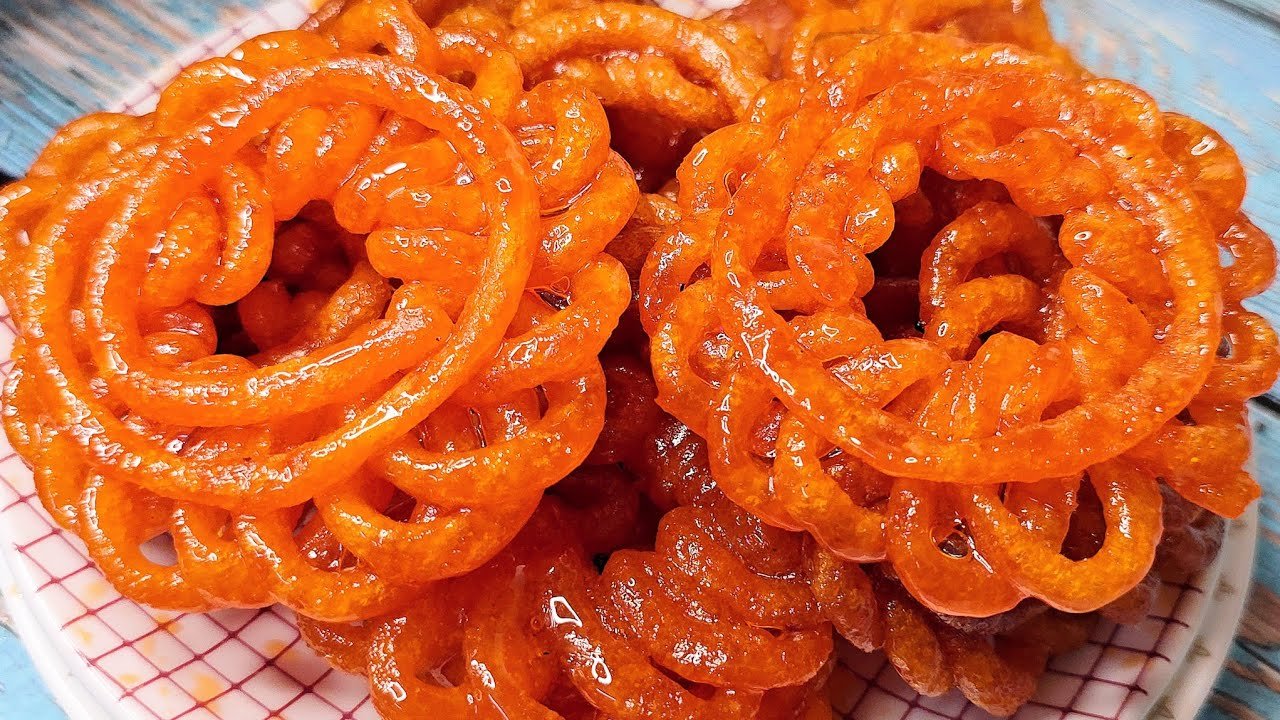
Indian desserts are renowned for their vibrant colors, rich textures, and irresistible sweetness. Among the many beloved festive treats, imarti holds a special place for its intricate design, crisp bite, and syrupy indulgence. This traditional sweet is often compared with jalebi but stands apart due to its thicker structure, distinct preparation method, and unique flavor profile.
At Shalimar, we celebrate classic desserts that combine heritage with taste. This article explores the origins, ingredients, preparation method, and cultural significance of this iconic sweet, along with practical tips to recreate it perfectly.
What is Imarti?
Imarti is a deep-fried, spiral-shaped sweet made from urad dal batter and soaked in fragrant sugar syrup. Its appearance resembles a flower or circular lattice pattern, giving it a visually appealing look that enhances festive dessert platters.
Unlike jalebi, which is made using refined flour and fermentation, this sweet relies on ground lentils, resulting in a slightly thicker and softer interior while maintaining a crispy exterior. The combination of crunch and syrup absorption creates a delightful balance loved by dessert enthusiasts.
Often referred to as imarti sweet, it is widely enjoyed during festivals, weddings, and special occasions across India.
Difference Between Imarti and Jalebi
Though commonly confused, imarti jalebi comparisons reveal several distinctions:
- Main Ingredient: Urad dal vs refined flour
- Texture: Thicker and slightly chewy vs thin and crisp
- Shape: Floral circular pattern vs free-flowing spirals
- Flavor: Rich lentil-based taste vs light fermented flavor
These differences contribute to the sweet’s distinctive identity and culinary charm.
Ingredients Used in Imarti Recipe
The beauty of this dessert lies in its minimal yet impactful ingredients.
Batter Ingredients
- Split urad dal
- Cornflour (optional for binding)
- Food-safe natural coloring
- Water for grinding
Sugar Syrup Ingredients
- Sugar
- Water
- Cardamom powder
- Rose water or saffron (optional)
Frying Medium
- Ghee or refined oil
Using freshly ground dal batter plays a crucial role in achieving proper texture and shape retention.
How to Make Imarti
Step 1: Soak and Grind Dal
Wash and soak urad dal for 4–5 hours. Grind into a smooth, thick batter using minimal water until light and fluffy.
Step 2: Prepare Sugar Syrup
Heat sugar and water until a one-thread consistency forms. Add cardamom and optional rose essence for aroma.
Step 3: Fill Batter for Shaping
Transfer batter into a piping bag, cloth with a hole, or squeeze bottle for controlled pouring.
Step 4: Fry the Spirals
Heat ghee or oil in a wide pan. Pipe circular floral patterns directly into hot oil and fry on medium heat until golden and crisp.
Step 5: Soak in Syrup
Immediately dip the fried spirals into warm sugar syrup for a few minutes to absorb sweetness.
Step 6: Serve Warm
Remove from syrup and serve warm for the best taste and texture.
This process ensures a crispy exterior with a juicy, syrup-infused interior.
Tips for Perfect Imarti
- Use thick batter to maintain shape while frying.
- Whip batter well to incorporate air for softness.
- Maintain medium oil temperature to prevent spreading.
- Keep syrup warm for optimal absorption.
- Practice piping patterns before frying for uniform shapes.
Following these tips helps recreate the authentic texture served at traditional sweet shops.
Flavor and Texture Profile
This dessert offers a multi-sensory experience:
- Appearance: Bright orange floral spirals
- Texture: Crisp outside with soft, syrupy center
- Flavor: Sweet, aromatic, and mildly nutty
- Aroma: Cardamom and rose-infused sweetness
Its rich taste and striking presentation make it a centerpiece sweet during celebrations.
Cultural Importance of Imarti
The sweet has deep roots in festive traditions and temple offerings. It is commonly prepared during Diwali, Holi, weddings, and community celebrations.
In many regions, it symbolizes joy and abundance, making it a popular choice for sharing with guests and gifting during special moments. Street vendors and sweet shops alike proudly display fresh batches, drawing customers with their vibrant color and fragrance.
Restaurants such as Shalimar continue to serve this timeless dessert, connecting modern diners with authentic culinary heritage.
Serving Suggestions
You can enjoy this sweet in several ways:
- Served warm as a standalone dessert
- Paired with rabri for added richness
- Included in festive sweet platters
- Enjoyed with tea or milk
- Offered as prasad during celebrations
Its versatility makes it suitable for both casual indulgence and grand occasions.
Being deep-fried and sugar-soaked, this dessert is energy-rich and best enjoyed occasionally. It provides carbohydrates for quick energy and some protein from lentils.
Moderate consumption allows you to appreciate its taste while maintaining a balanced diet.
Imarti at Shalimar
At Shalimar, our preparation focuses on freshness, texture balance, and authentic flavor. Carefully whipped batter, controlled frying, and perfectly flavored syrup create a dessert that delights both visually and gastronomically.
Whether enjoyed after a meal or as part of festive dining, this sweet remains a favorite among guests seeking traditional desserts with consistent quality.
FAQs
How to make imarti?
Soak urad dal, grind into thick batter, pipe spiral patterns into hot oil, fry until crisp, and soak in warm sugar syrup before serving.
What is imarti made of?
It is made from urad dal batter that is deep-fried into spiral shapes and soaked in aromatic sugar syrup.
Who is Imarti Devi?
Imarti Devi is an Indian political figure from Madhya Pradesh known for her role in state politics. Her name coincidentally resembles the dessert but is unrelated to the sweet.