

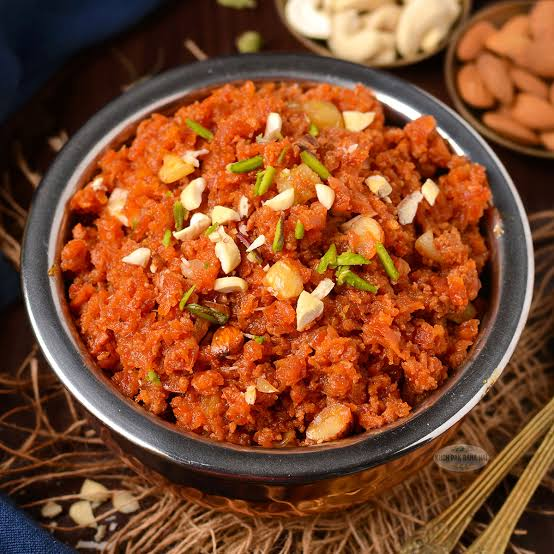
Indian desserts are known for their comforting flavors, aromatic spices, and creative use of simple ingredients. Among the most beloved winter treats is Gajar Halwa, a rich and fragrant dessert made primarily with fresh carrots, milk, sugar, and ghee. Its warm color, creamy texture, and nutty topping make it a favorite during family gatherings, festivals, and special meals.
At Shalimar, traditional Indian cuisine is celebrated through flavorful dishes and classic recipes. Gajar Halwa is a wonderful example of how everyday ingredients can be transformed into a memorable dessert with patience and careful preparation.
What Is Gajar Halwa?
Gajar Halwa is a traditional Indian carrot-based dessert, also commonly known as carrot halwa. It is prepared by slowly cooking grated carrots with milk and sugar until the mixture becomes thick and rich.
Ghee is added to enhance the flavor, while cardamom provides a warm and inviting aroma. Many versions are finished with chopped almonds, pistachios, cashews, or raisins.
The dessert is especially popular during colder months because carrots are traditionally harvested and widely available during winter. Its warm, soft texture makes it particularly comforting after a hearty Indian meal.
The Traditional Origins of Carrot Halwa
The history of carrot halwa is closely connected with the Indian subcontinent’s long tradition of preparing milk-based sweets and vegetable desserts. Over generations, households have developed different methods and ingredient combinations.
While recipes vary, the basic idea remains simple: fresh carrots are grated and slowly cooked until their natural sweetness combines with milk, sugar, and aromatic ingredients.
Today, the dessert is enjoyed across India and in many parts of the world. It has also become a familiar feature on Indian restaurant menus, particularly during the winter season.
Ingredients Used in Gajar Halwa
One reason this dessert remains so popular is its relatively simple ingredient list. Fresh carrots form the foundation of the dish, while milk gives it a creamy consistency.
Sugar provides sweetness, and ghee contributes richness and aroma. Cardamom is commonly used to add fragrance.
Khoya or mawa may also be incorporated into some recipes to make the dessert thicker and richer. Nuts such as almonds, pistachios, and cashews provide a pleasant crunch, while raisins can add another layer of sweetness.
The quality of the carrots and the balance between these ingredients can make a significant difference to the final result.
How Is Gajar Halwa Prepared?
A traditional gajar halwa recipe begins with washing, peeling, and finely grating fresh carrots. The carrots are then cooked with milk over low to medium heat.
Slow cooking is an important part of the process. As the milk gradually reduces, the carrots become tender and absorb the creamy flavor.
Sugar is added according to taste, followed by ghee and cardamom. The mixture continues to cook until most of the moisture has evaporated and the dessert reaches a thick, soft consistency.
Finally, chopped nuts and other toppings are added. Some recipes also include khoya for additional richness.
Although the ingredient list is straightforward, achieving the right consistency requires patience. Cooking the carrots too quickly can affect their texture and the overall depth of flavor.
Why Is Gajar Halwa So Popular?
The appeal of Gajar Halwa comes from its combination of simplicity and richness. Carrots provide a naturally sweet base, while milk and ghee create a creamy and indulgent texture.
Cardamom gives the dessert its characteristic Indian aroma, and nuts provide a satisfying contrast to the softness of the cooked carrots.
It is also highly versatile. It can be served warm, at room temperature, or chilled depending on personal preference.
A Favorite Winter Dessert
Winter is traditionally considered the best season for enjoying carrot halwa. During this time, fresh red carrots are particularly associated with North Indian preparations.
The dessert frequently appears during winter celebrations, weddings, family gatherings, and festive meals. Preparing a large serving at home is also a common way for families to share food during the colder months.
Its warm and comforting character makes it a natural choice after a flavorful Indian meal.
Enjoying Gajar Halwa at Shalimar
Shalimar offers guests an opportunity to experience classic Indian flavors in a welcoming restaurant setting. Traditional desserts are an important part of that experience, providing a sweet conclusion to a meal.
Gajar Halwa is an excellent option for anyone who enjoys milk-based Indian desserts or wants to try a classic carrot preparation. Its creamy texture, aromatic cardamom, rich ghee flavor, and nutty topping create a satisfying combination.
It can be enjoyed on its own or as part of a larger Indian meal with family and friends.
Tips for the Perfect Gajar Halwa
The quality of the carrots is important when preparing this dessert. Fresh, naturally sweet carrots can provide a better flavor and color.
Slow cooking is another key factor. Allowing the carrots and milk to cook gradually gives the ingredients time to combine and develop a deeper flavor.
Finally, the amount of sugar and ghee should be balanced according to the desired richness. A generous topping of nuts can add both texture and visual appeal.
Conclusion
Gajar Halwa is a timeless Indian dessert that transforms humble carrots into a rich and aromatic sweet. Its combination of milk, sugar, ghee, cardamom, and nuts creates a comforting flavor that has made it a favorite across generations.
Whether enjoyed during winter celebrations, shared with family, or served after a traditional Indian meal, this classic dessert offers a delicious taste of India’s rich culinary heritage. At Shalimar, it provides a satisfying and traditional way to finish your dining experience.