

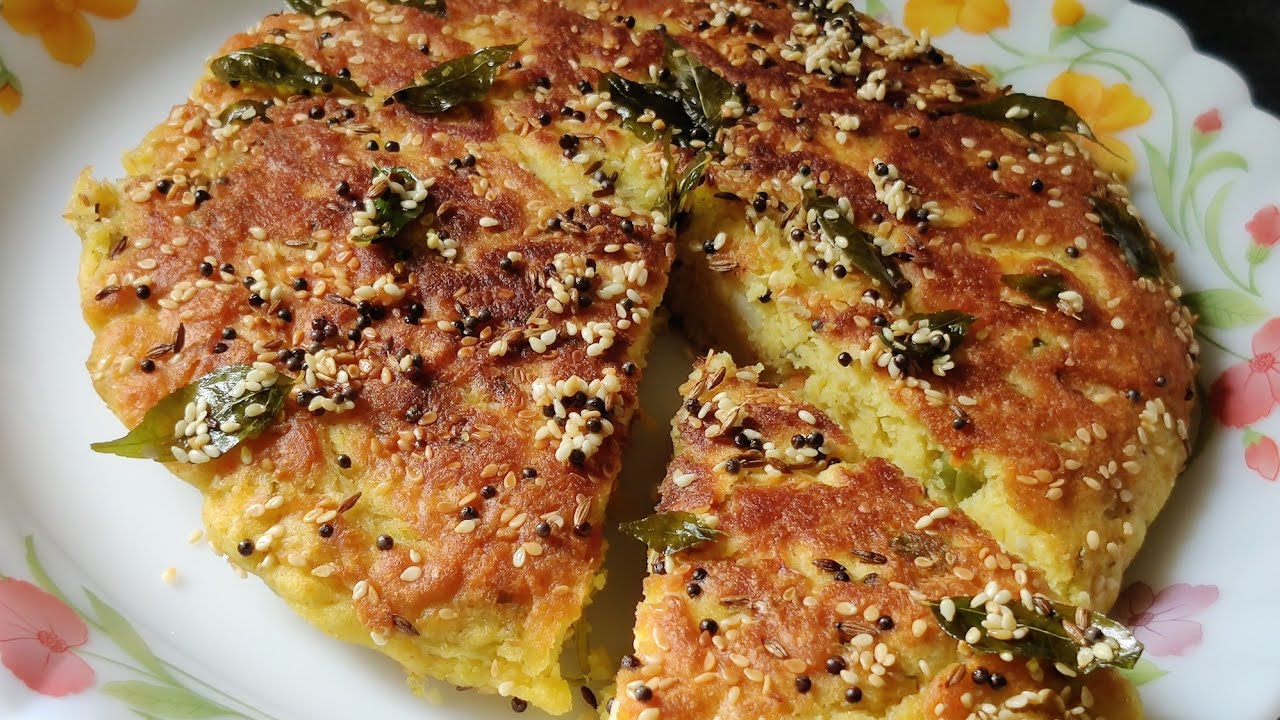
Gujarati cuisine is known for its creative use of grains, lentils, vegetables, and aromatic spices. Among its many traditional dishes, Handwo stands out as a wholesome and flavorful savory cake. Made from a fermented mixture of rice and lentils and commonly combined with vegetables, this Gujarati specialty offers a satisfying balance of texture, seasoning, and nutrition.
Unlike many Indian snacks that rely heavily on frying, Handwo is generally prepared by baking, pan-cooking, or steaming the fermented batter. Its crispy exterior and soft, flavorful interior make it an appealing choice for breakfast, an evening snack, or a light meal. At Shalimar, exploring dishes inspired by regional Indian traditions provides diners with an opportunity to discover flavors beyond the most familiar Indian foods.
What Is Handwo?
Handwo is a traditional Gujarati savory dish prepared using a fermented batter of rice and different types of lentils. The batter is typically seasoned with spices and may include vegetables such as bottle gourd.
The mixture is allowed to ferment before cooking, which gives the dish its characteristic slightly tangy flavor. Once prepared, the batter can be cooked until the outside develops a deliciously crisp texture while the inside remains soft and moist.
A tempering of mustard seeds, sesame seeds, curry leaves, and other spices is often used to enhance its flavor. The combination of fermented grains, lentils, vegetables, and aromatic seasoning gives this dish its distinctive character.
How Is Handwo Traditionally Prepared?
The preparation begins with soaking rice and lentils. The ingredients are then ground into a batter and allowed to ferment for several hours. Fermentation is an important step because it contributes to the dish’s characteristic tangy taste and changes the texture of the batter.
Vegetables, spices, salt, and other ingredients are added before cooking. Bottle gourd is commonly incorporated into traditional versions, although recipes can vary between households and regions.
The batter is then cooked in a pan, oven, or other suitable cooking method. When pan-cooked, a tempering of oil, mustard seeds, sesame seeds, curry leaves, and green chilies can be added to the cooking vessel or used as a topping.
The result is a savory cake with a crisp, seasoned exterior and a soft center.
What Does Handwo Taste Like?
One of the most appealing aspects of Handwo is its combination of textures. The outside can become golden and crisp, while the interior remains tender.
Its flavor is equally interesting. Fermentation provides a mild tanginess, while lentils and rice contribute a pleasant earthy base. Vegetables add moisture and subtle sweetness, while spices bring warmth and aroma.
Mustard seeds and sesame seeds are especially important in many preparations. They provide a nutty and slightly sharp flavor that complements the fermented batter.
For people who enjoy savory Indian snacks with a balance of crispness and softness, Handwo offers something quite different from conventional fried snacks.
The Role of Fermentation
Fermentation is an important technique in many traditional Indian cuisines. In Handwo, it helps develop the characteristic tangy flavor and contributes to the texture of the finished dish.
The length of fermentation can vary depending on the recipe, temperature, and desired flavor. Traditional home cooks often rely on experience to determine when the batter is ready.
This process demonstrates how Indian cooking can transform simple staple ingredients such as rice and lentils into dishes with complex flavors and textures.
Popular Ways to Enjoy Handwo
Handwo can be served at different times of the day. It works well as a breakfast dish, an evening snack, or part of a larger meal.
It is often accompanied by chutneys, particularly green chutney or other spicy and tangy accompaniments. These sauces provide additional freshness and heat that complement the savory cake.
Some versions are prepared with different vegetables or spice combinations, allowing families and cooks to adapt the recipe according to available ingredients and personal preferences.
Handwo in Gujarati Food Culture
Gujarati cuisine includes a wide variety of fermented, steamed, baked, and pan-cooked foods. Handwo fits naturally into this culinary tradition because it combines grains and lentils with vegetables and flavorful tempering.
Its preparation also reflects the Gujarati preference for balancing different flavors and textures within a single dish. The mild tanginess from fermentation, savory spices, nutty seeds, and crisp edges create a distinctive eating experience.
Like many traditional Indian dishes, recipes can differ from one household to another. These variations are part of what makes regional Indian cuisine so diverse.
Why Try Handwo at Shalimar?
Shalimar offers diners the opportunity to explore the broad range of flavors found across Indian cuisine. Handwo is an interesting choice for anyone who wants to try a traditional savory dish that is different from common restaurant snacks.
Its combination of fermented rice and lentils, vegetables, aromatic spices, and a crisp outer layer makes it both flavorful and satisfying. It can also be enjoyed with chutney for an additional layer of taste.
For newcomers to Gujarati cuisine, this dish provides a delicious introduction to the region’s creative approach to vegetarian and fermented foods.
Conclusion
Handwo is a distinctive Gujarati specialty that demonstrates how simple ingredients can be transformed through fermentation and careful cooking. Its crisp exterior, soft interior, tangy flavor, vegetables, and aromatic tempering create a dish with plenty of character.
Whether enjoyed for breakfast, as a snack, or alongside other Indian dishes, it offers a memorable taste of Gujarati culinary traditions. At Shalimar, exploring dishes like Handwo can help diners discover the remarkable variety of Indian regional cuisine and the traditional techniques that continue to shape it today.