

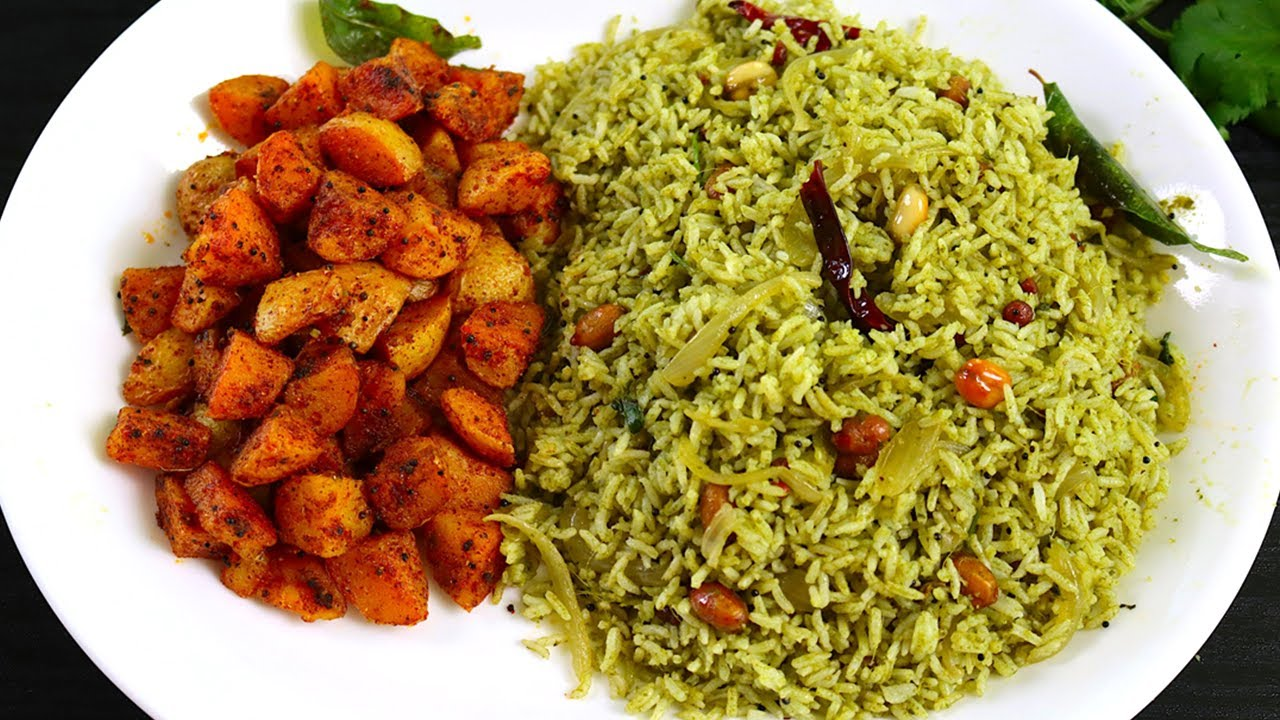
Kothamali sadam is a flavorful South Indian rice dish made with fresh coriander leaves, aromatic spices, and perfectly cooked rice. Known for its vibrant green color and refreshing taste, this traditional recipe is loved for its simplicity and versatility. Whether served as a quick lunch, a festive meal, or a comforting dinner, it offers a delicious blend of herbs and spices that appeals to food lovers of all ages.
At Shalimar, we celebrate traditional recipes that highlight fresh ingredients and authentic flavors, and kothamali sadam is a wonderful example of South India’s rich culinary heritage.
What is Kothamali Sadam?
Kothamali sadam is a rice-based dish prepared using coriander leaves, also known as cilantro, along with spices, lentils, and seasonings. The word kothamali refers to coriander, while sadam means rice in Tamil.
The dish is appreciated for its aromatic flavor and fresh herbal notes. Unlike heavily spiced rice preparations, it has a light and refreshing taste that makes it suitable for both everyday meals and special occasions.
At Shalimar, we believe that simple ingredients can create extraordinary flavors when prepared with care and authenticity.
The Origins of Kothamali Sadam
South Indian cuisine is famous for its use of herbs, spices, and rice-based dishes. Kothamali sadam emerged as a practical and delicious way to incorporate fresh coriander into daily meals.
Traditionally, households prepared this dish using freshly harvested coriander leaves and leftover rice, creating a quick yet satisfying meal. Over time, it became a popular recipe served in homes, festive gatherings, and traditional restaurants.
At Shalimar, we proudly preserve such timeless recipes that reflect the richness of Indian culinary traditions.
Why Kothamali Sadam is So Popular
The popularity of kothamali sadam comes from its fresh flavor and ease of preparation. It offers a pleasant balance of herbs and spices without being overly heavy.
Some reasons why people love this dish include:
- Fresh and aromatic flavor
- Simple ingredients
- Quick preparation
- Suitable for lunch or dinner
- Pairs well with many side dishes
Its versatility and comforting taste have helped it remain a favorite among South Indian food enthusiasts.
At Shalimar, we take pride in offering dishes that celebrate both tradition and flavor.
Traditional Ingredients Used
A classic preparation of kothamali sadam uses fresh ingredients that contribute to its signature taste and aroma.
Common ingredients include:
- Fresh coriander leaves
- Cooked rice
- Green chilies
- Ginger
- Garlic
- Lentils
- Mustard seeds
- Curry leaves
- Cashews or peanuts
- Coconut in some variations
These ingredients are blended carefully to create a flavorful coriander paste that coats the rice beautifully.
At Shalimar, we use quality ingredients to ensure every dish reflects authentic South Indian flavors.
The Traditional Preparation Method
Preparing kothamali sadam involves creating a fragrant coriander mixture and combining it with cooked rice.
The process generally includes:
- Washing and preparing fresh coriander leaves.
- Grinding coriander with spices and herbs.
- Tempering mustard seeds, curry leaves, and lentils.
- Mixing the coriander paste with the seasoning.
- Tossing the mixture with freshly cooked rice.
This method allows the rice to absorb the aroma and flavor of the herbs while maintaining a light and fluffy texture.
At Shalimar, our chefs follow traditional cooking methods to preserve the authenticity of every recipe.
Perfect Occasions to Enjoy Kothamali Sadam
One of the best things about kothamali sadam is its versatility. It can be enjoyed on many occasions and pairs well with a variety of side dishes.
Popular occasions include:
Everyday Lunch
Its simple preparation and refreshing taste make it an excellent choice for daily meals.
Family Gatherings
The vibrant color and aromatic flavor make it a favorite dish to share with loved ones.
Festive Meals
Many households include coriander rice in festive spreads because of its unique taste.
Light Dinner
Its balanced flavor makes it suitable for a satisfying yet light evening meal.
At Shalimar, we serve dishes that fit perfectly into both everyday dining and special celebrations.
Best Accompaniments for Kothamali Sadam
This flavorful rice dish becomes even more enjoyable when paired with traditional side dishes.
Popular accompaniments include:
- Plain yogurt
- Vegetable curry
- Papad
- Pickles
- Coconut chutney
- Potato fry
These pairings enhance the freshness of the coriander and create a complete dining experience.
At Shalimar, we carefully select accompaniments that complement the flavors of traditional South Indian cuisine.
The Role of Coriander in South Indian Cuisine
Coriander is one of the most widely used herbs in Indian cooking. Its fresh aroma and vibrant flavor make it an essential ingredient in many recipes.
In South Indian cuisine, coriander is used in:
- Rice dishes
- Chutneys
- Curries
- Soups
- Snacks
Its versatility and refreshing taste have made it a staple ingredient in kitchens across the region.
At Shalimar, we appreciate ingredients that bring freshness and authenticity to traditional recipes.
Why Choose Shalimar?
At Shalimar, we are committed to preserving authentic Indian culinary traditions while maintaining the highest standards of quality.
What makes our dishes special:
- Freshly selected ingredients
- Authentic regional recipes
- Traditional cooking methods
- Rich and balanced flavors
- Commitment to quality and hygiene
Our chefs are passionate about creating dishes that honor India’s diverse food heritage.
Conclusion
Kothamali sadam is a delightful South Indian rice dish that combines the freshness of coriander with the comforting taste of perfectly cooked rice. Its aromatic flavor, simple preparation, and versatility have made it a cherished recipe for generations.
At Shalimar, we proudly serve dishes inspired by authentic regional traditions. Experience the refreshing taste and rich heritage of kothamali sadam, a dish that beautifully captures the essence of South Indian cuisine and the timeless appeal of traditional cooking.