

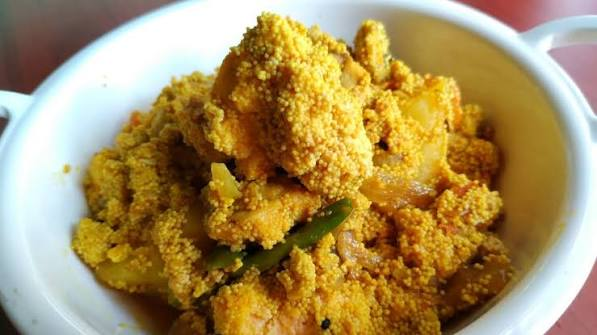
Masor Koni is a traditional Assamese fish preparation that reflects the simplicity and distinctive character of northeastern Indian cuisine. Assamese food is well known for its balanced flavors, fresh ingredients, seasonal produce, and careful use of spices. Fish holds an important place in the region’s food culture, and many traditional recipes have been developed around locally available freshwater varieties.
This dish represents the connection between Assam’s rivers, agricultural traditions, and everyday cooking. With its flavorful preparation and comforting character, it can be an interesting addition to a traditional Assamese meal. At Shalimar, we celebrate India’s diverse regional cuisines and the culinary traditions that make each part of the country unique.
What Is Masor Koni?
The word “masor” is commonly associated with fish in Assamese, while “koni” can refer to a specific preparation or ingredient depending on the regional and culinary context. Like many traditional Assamese dishes, recipes and terminology can differ between communities and locations.
The preparation is generally appreciated for its straightforward cooking style and emphasis on the natural flavor of fish. Rather than using an excessive amount of spices, Assamese cooking often creates depth through fresh herbs, mustard oil, chilies, ginger, garlic, and carefully selected seasonal ingredients.
The result is a dish that feels flavorful without being unnecessarily heavy.
The Importance of Fish in Assamese Cuisine
Fish has been an important part of Assamese food culture for generations. Assam’s extensive network of rivers, wetlands, ponds, and lakes provides access to a wide variety of freshwater fish.
Many traditional households prepare fish in different ways, including light curries, fried preparations, sour gravies, and vegetable-based dishes.
Rice is another essential component of Assamese cuisine, and fish dishes are commonly served alongside steamed rice. This creates a balanced meal in which the rice provides a mild base for the more flavorful fish preparation.
At Shalimar, we recognize the importance of these regional food traditions and the role they play in India’s culinary heritage.
Common Ingredients
Traditional Assamese fish preparations generally rely on simple ingredients. Depending on the particular version, ingredients may include:
- Fresh freshwater fish
- Mustard oil
- Turmeric
- Salt
- Green chilies
- Ginger
- Garlic
- Fresh coriander
- Cumin
- Seasonal vegetables
- Lemon or another souring ingredient
Mustard oil is particularly significant because it provides a characteristic earthy and slightly pungent flavor.
The choice of fish can also vary according to local availability. Fresh fish is preferred because subtle seasoning allows its natural taste to remain noticeable.
Traditional Cooking Techniques
The cooking technique used in Assamese cuisine often emphasizes freshness rather than complicated preparation. Fish may first be cleaned, cut into portions, and seasoned lightly with salt and turmeric.
It can then be fried gently in mustard oil before being combined with a prepared gravy or other ingredients.
Depending on the regional recipe, the fish may be cooked with vegetables, herbs, spices, or souring ingredients. The cooking time is generally controlled carefully so the fish remains tender without becoming dry.
This approach demonstrates how traditional cooks can create satisfying meals with relatively few ingredients.
At Shalimar, careful preparation helps preserve the natural flavors that define regional Indian cuisine.
What Makes Assamese Fish Dishes Unique?
Assamese fish preparations have several characteristics that distinguish them from richer Indian curries.
Mild Use of Spices
Spices are generally used thoughtfully rather than overwhelming the main ingredient.
Fresh Ingredients
Fresh fish, herbs, vegetables, and seasonal produce play an important role.
Mustard Oil
Mustard oil contributes a distinctive aroma and earthy flavor.
Rice-Based Meals
Fish is traditionally paired with steamed rice.
Regional Variations
Different communities and areas have their own techniques and combinations.
These characteristics make Assamese cuisine particularly appealing to diners who enjoy food that highlights natural ingredients.
The Role of Mustard Oil
Mustard oil is one of the most recognizable ingredients in many Assamese and eastern Indian preparations. It has a strong aroma and distinctive taste that can transform simple ingredients.
When heated properly, its sharpness becomes more balanced, allowing it to complement fish beautifully.
It also works well with green chilies, turmeric, ginger, and other ingredients frequently found in northeastern Indian cooking.
Using the right amount is important. Too much can overpower the delicate flavor of fish, while too little may fail to provide the characteristic regional taste.
Best Way to Serve It
A traditional Assamese fish meal is often served with freshly cooked steamed rice. The mild flavor of rice provides an ideal background for the fish and its accompanying gravy or seasoning.
The meal can also include:
- Dal
- Seasonal vegetables
- Green chilies
- Fresh herbs
- Pickles
- Simple salads
Keeping the accompaniments relatively simple allows the fish to remain the focus of the meal.
For diners discovering Assamese cuisine for the first time, a traditional rice-and-fish combination offers an excellent introduction to the region’s food culture.
Seasonal Influence on Assamese Cuisine
Seasonality plays an important role in traditional Assamese cooking. Local communities have historically relied on ingredients available during particular times of the year.
This can influence the vegetables, herbs, souring ingredients, and fish used in everyday meals.
As a result, recipes may differ between households and seasons. One family may prefer a particular vegetable or souring ingredient, while another may use a different local ingredient.
This flexibility is part of what makes regional Indian cuisine so diverse.
A Dish Connected to Assamese Food Heritage
Traditional fish preparations are more than recipes. They represent the relationship between Assam’s natural environment and its food culture.
The availability of freshwater fish, rice cultivation, mustard, herbs, and seasonal vegetables has shaped the way communities have cooked for generations.
Simple cooking techniques allow these ingredients to retain much of their natural character.
At Shalimar, we believe exploring such dishes is an opportunity to learn about the culture and traditions behind India’s food.
Why Choose Shalimar?
At Shalimar, we aim to showcase the incredible diversity of Indian cuisine. Our menu celebrates dishes inspired by different regions and culinary traditions.
We focus on quality ingredients, careful preparation, and balanced flavors. Regional specialties allow our guests to discover food traditions that may be different from the dishes they commonly enjoy.
Whether you are already familiar with Assamese cuisine or are trying it for the first time, Shalimar offers a welcoming setting to explore India’s regional flavors.
Conclusion
Masor Koni represents the simplicity and ingredient-focused approach associated with Assamese cuisine. Fish, mustard oil, fresh herbs, chilies, and carefully selected spices can come together to create a comforting regional meal without relying on heavy sauces or excessive seasoning.
Served with steamed rice and traditional accompaniments, it provides an excellent example of Assam’s connection to freshwater fish and locally available ingredients. At Shalimar, we proudly celebrate India’s regional culinary heritage and invite our guests to discover the distinctive flavors and traditions of Assamese cuisine.