

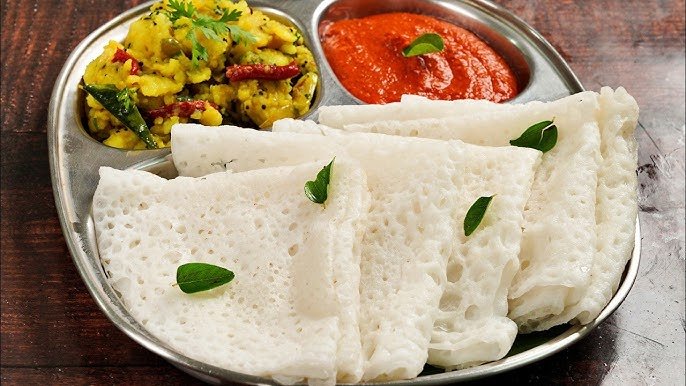
South Indian cuisine is admired for its balance of simplicity and flavor, and few dishes represent this harmony better than the neer dosa recipe. Known for its paper-thin texture and soft bite, this dosa is a specialty from the coastal regions of Karnataka and has gained popularity across India. At Shalimar, we take pride in serving authentic regional dishes that reflect tradition, skill, and quality ingredients.
What Is Neer Dosa?
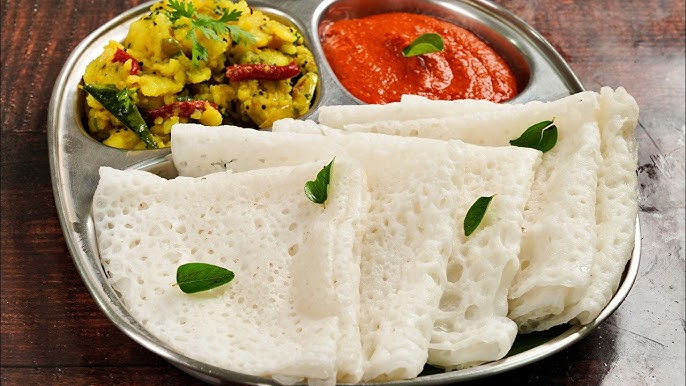
Neer dosa is a soft, lacy crepe made primarily from rice. The word neer means “water” in Kannada, which refers to the thin, watery batter used to prepare this dish. Unlike fermented dosas, neer dosa does not require long fermentation, making it quick to prepare while still offering a delicate texture.
Because of its neutral flavor, it pairs beautifully with a variety of curries, chutneys, and gravies, enhancing the overall dining experience.
This dish originates from the Tulu Nadu and Udupi regions of Karnataka, where it is a household staple. Traditionally served with coconut-based curries or vegetable gravies, it is also enjoyed during festive meals and special occasions.
Over time, variations of the neer dosa recipe in Kannada kitchens inspired adaptations across South India, including versions popular in Tamil Nadu and Kerala.
Key Ingredients Used
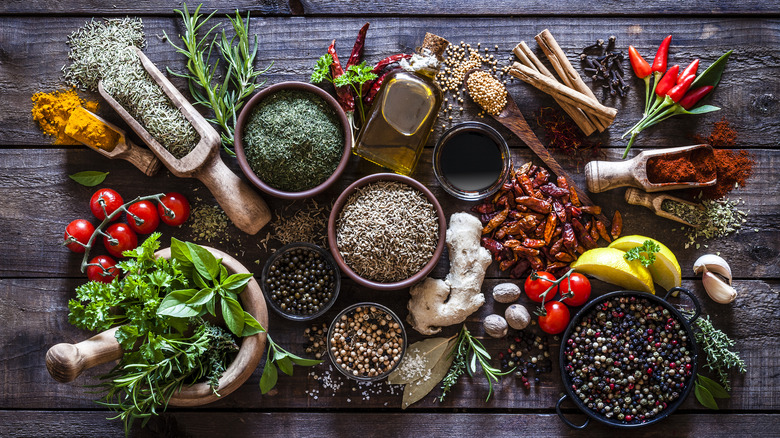
- Raw rice or rice flour
- Water
- Salt
The beauty of neer dosa lies in its simplicity. The basic ingredients include:
Neer dosa is extremely soft, thin, and light. It has a smooth surface with delicate holes, giving it a lace-like appearance. The taste is mild, allowing the accompanying dishes to shine.
At Shalimar, we focus on achieving the perfect consistency—neither too thick nor too watery—so each dosa cooks evenly and remains tender without breaking.
How Neer Dosa Is Made
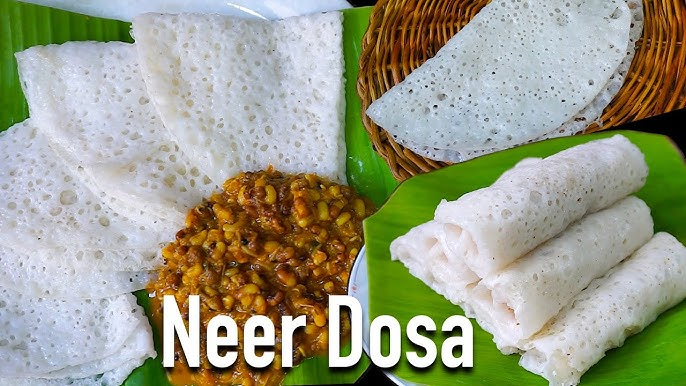
Many guests ask about how to make neer dosa recipe at home. The process is straightforward but requires attention to detail.
For those short on time, the instant neer dosa recipe is a popular choice. Rice flour is mixed with water, salt, and sometimes coconut milk for added softness. This version skips soaking and grinding, making it perfect for quick preparation while still delivering authentic taste.
Restaurants often use this method to maintain consistency and efficiency during busy hours.
In Tamil Nadu, variations adapted to local tastes appear in neer dosa recipe in Tamil guides, sometimes paired with spicy gravies or vegetable curries.
These regional influences highlight the versatility of the dish.
Nutritional Benefits
Neer dosa is light on the stomach and easy to digest. Since it uses minimal oil and no fermentation, it suits those looking for simple, balanced meals. It is naturally gluten-free and low in fat, making it suitable for various dietary preferences.
When paired with protein-rich sides like lentil curries or coconut chutney, it becomes a well-rounded meal.
Neer dosa continues to win hearts because:
- It is quick to prepare
- It is soft and light
- It pairs well with many dishes
- It suits all age groups
- It reflects authentic South Indian tradition
Its elegance lies in its simplicity, making it a timeless favorite.
Neer Dosa at Shalimar
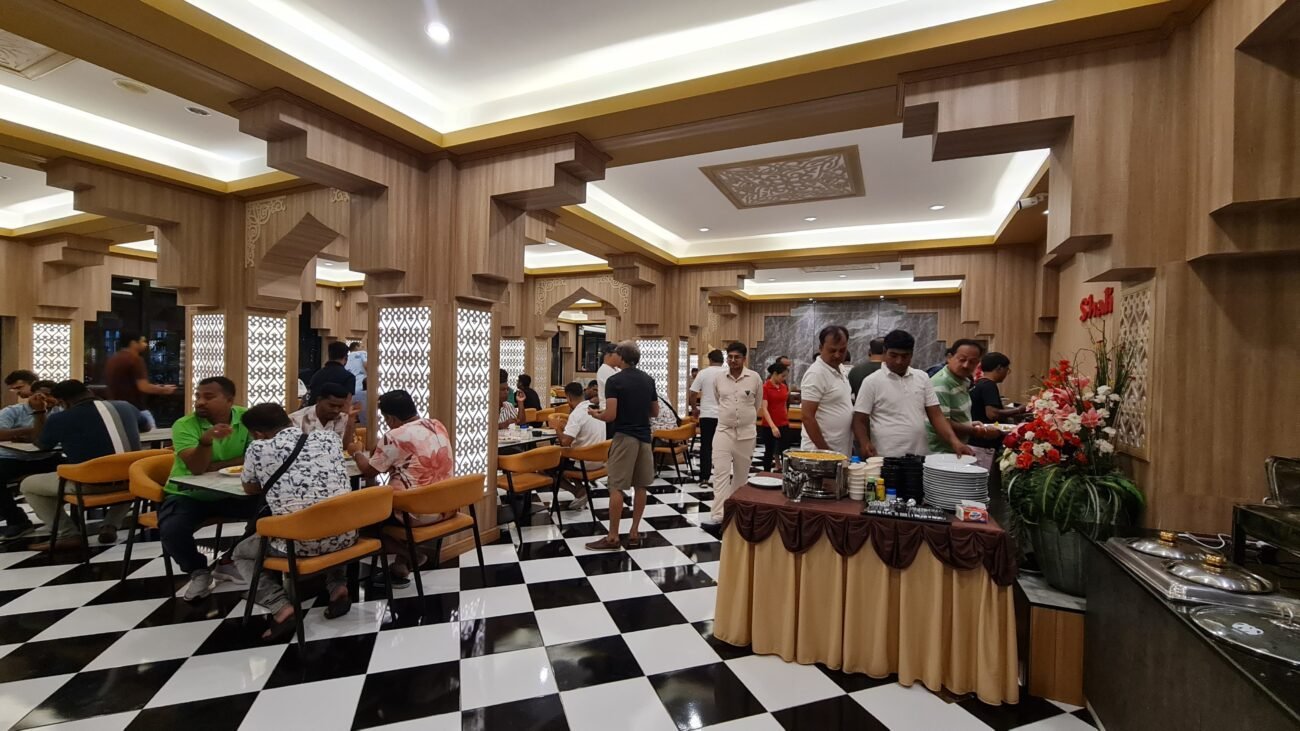
At Shalimar, our chefs prepare neer dosa using traditional techniques refined with professional expertise. Each dosa is made fresh, ensuring perfect texture and taste. We serve it alongside carefully curated accompaniments that complement its delicate flavor.
Our commitment is to deliver authenticity with every plate, giving guests a true taste of coastal South India.
Frequently Asked Questions (FAQs)
How to make neer dosa recipe?
Soak rice or use rice flour, mix with water to form a thin batter, add salt, and cook on a hot pan without spreading.
How to make neer dosa recipe step by step?
Prepare thin batter, heat pan, pour batter around the edges, cook until set, and gently remove without flipping.