

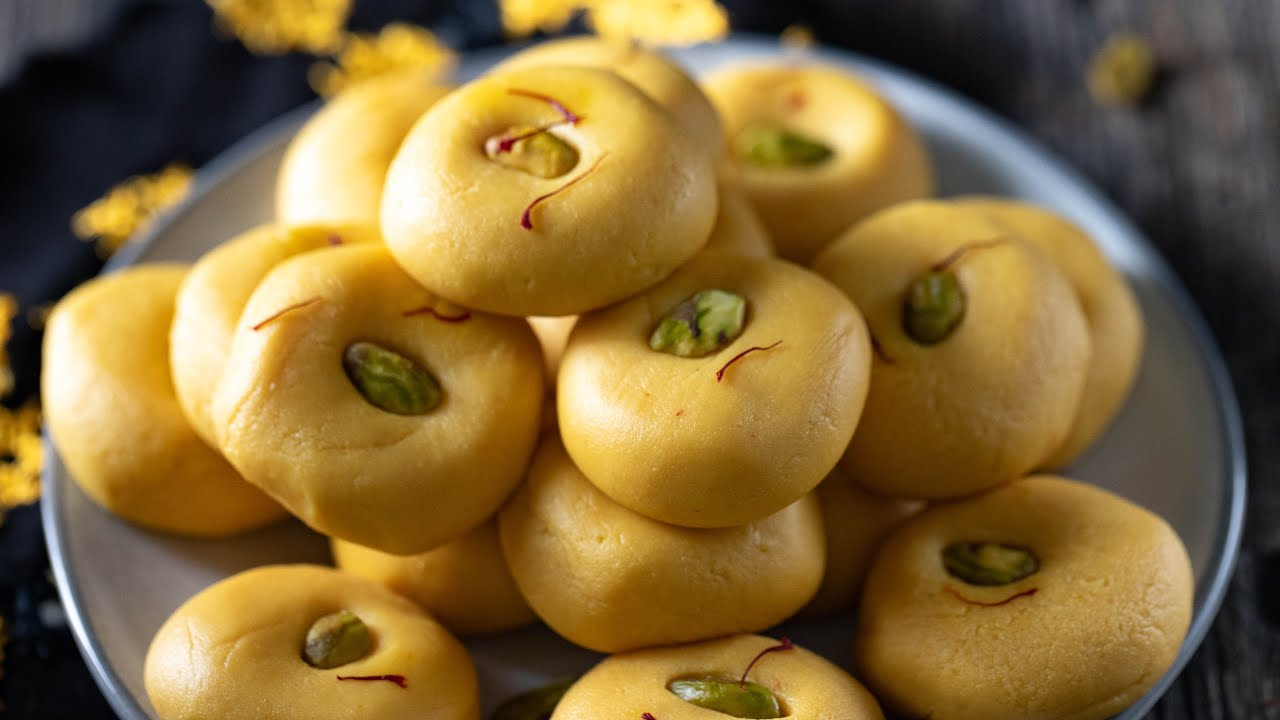
Peda is one of India’s most beloved traditional milk-based sweets. Known for its soft, slightly grainy texture, rich milky flavor, and gentle sweetness, this classic dessert has been part of Indian celebrations for generations. Made primarily from milk solids and sugar, it is available in numerous regional varieties, each offering its own distinctive taste and texture.
From festive gatherings and religious ceremonies to family celebrations and everyday dessert cravings, this simple yet elegant sweet has earned a special place in Indian cuisine. At Shalimar, we celebrate the country’s rich culinary heritage by bringing traditional flavors and beloved Indian desserts to our guests.
What Is Peda?
Peda is a traditional Indian confection generally prepared using milk solids such as khoya or mawa, along with sugar. The mixture is cooked slowly until it develops a thick, smooth consistency. Small portions are then shaped into round or flattened pieces and often decorated with nuts, saffron, or cardamom.
The texture can range from soft and creamy to slightly firm and grainy, depending on the ingredients and cooking method. Its mild sweetness allows the natural richness of milk to remain the star of the dessert.
At Shalimar, we appreciate traditional recipes that transform simple ingredients into memorable culinary experiences.
The History of This Traditional Sweet
Milk-based sweets have a long history in Indian cuisine. Different regions developed their own techniques for reducing milk, creating a variety of desserts with unique textures and flavors.
Over time, peda became closely associated with religious offerings and celebrations. Mathura, Dharwad, and other parts of India became particularly famous for their regional versions. Each variety developed its own identity based on local ingredients, preparation methods, and culinary traditions.
At Shalimar, we proudly preserve the spirit of India’s traditional sweet-making culture.
Why Peda Is So Popular
There are several reasons this dessert remains a favorite among Indian sweet lovers.
Rich Milk Flavor
The use of milk solids gives it a creamy and satisfying taste.
Mild Sweetness
It generally offers a balanced sweetness rather than an intensely sugary flavor.
Soft Texture
Freshly prepared varieties can have a smooth and delicate consistency.
Versatile Dessert
It can be enjoyed at celebrations, after meals, or simply as a sweet snack.
Cultural Significance
At Shalimar, we value desserts that carry both delicious flavors and cultural meaning.
Traditional Ingredients
The classic preparation requires only a handful of ingredients. Common ingredients include:
- Khoya or mawa
- Sugar
- Milk
- Cardamom powder
- Ghee
- Saffron
- Pistachios or almonds
Some regional recipes use condensed milk or milk powder, while traditional preparations may rely entirely on slowly reduced milk and khoya.
Cardamom provides a fragrant aroma, while saffron can add both color and a subtle floral note.
At Shalimar, carefully selected ingredients help us maintain the authentic character of traditional Indian sweets.
How Peda Is Traditionally Prepared
Traditional preparation requires patience because the milk mixture needs to reach the right consistency.
The process generally begins by heating khoya or reducing milk over low to medium heat. Sugar is added gradually, followed by cardamom and other flavoring ingredients.
The mixture is stirred continuously to prevent it from sticking to the pan. Once it becomes thick enough to hold its shape, it is removed from the heat and allowed to cool slightly.
At Shalimar, our chefs pay attention to texture and consistency to ensure every dessert delivers a satisfying traditional experience.
Popular Regional Varieties
India’s diverse culinary traditions have produced many varieties of this milk-based sweet.
Dharwad Peda
Dharwad in Karnataka is famous for its distinctive version, which has a deeper caramelized flavor and characteristic texture.
Kesar Peda
Saffron gives this variety a beautiful golden color and aromatic flavor.
Milk Peda
This simple version focuses on the natural richness of milk and a gentle sweetness.
Chocolate Peda
Modern sweet makers have introduced contemporary variations using chocolate and other flavors while retaining the traditional shape.
These varieties demonstrate how Indian sweets can evolve while maintaining their traditional foundation.
Peda for Festivals and Celebrations
This classic dessert is particularly popular during special occasions.
- Diwali
- Janmashtami
- Weddings
- Birthdays
- Religious ceremonies
- Family gatherings
- Housewarming celebrations
- Festivals
At Shalimar, we believe food plays an important role in bringing families and communities together.
Best Ways to Enjoy It
Popular serving ideas include:
- With masala chai
- With Indian tea
- As part of a dessert platter
- After lunch or dinner
- During festive celebrations
- Alongside other milk-based sweets
Why Indian Milk Sweets Are Special
Indian milk sweets reflect the country’s long-standing relationship with dairy, traditional cooking, and festive food culture. Techniques such as slowly reducing milk require patience and skill, while regional ingredients give each variety its own personality.
Peda represents this culinary philosophy perfectly. Its ingredient list may be simple, but achieving the right texture and flavor requires careful preparation.
At Shalimar, we celebrate the craftsmanship behind traditional Indian desserts and strive to offer guests authentic flavors inspired by India’s diverse regions.
Why Choose Shalimar?
Our focus includes:
- Quality ingredients
- Traditional recipes
- Authentic regional flavors
- Careful preparation
- Warm hospitality
From savory dishes to classic Indian desserts, we aim to provide guests with a dining experience that reflects the richness of India’s culinary heritage.
Conclusion
Peda is a timeless Indian milk sweet that combines the richness of milk solids with gentle sweetness and fragrant spices. Its simple ingredients, versatile flavors, and deep connection with festivals and celebrations have made it a favorite across generations.
From Mathura and Dharwad to modern variations found throughout India, every version tells a story about the region and traditions that shaped it. At Shalimar, we proudly celebrate this heritage by offering traditional Indian flavors that bring people together. Whether enjoyed after a meal or shared during a special occasion, this classic sweet remains a delicious symbol of India’s vibrant food culture.