

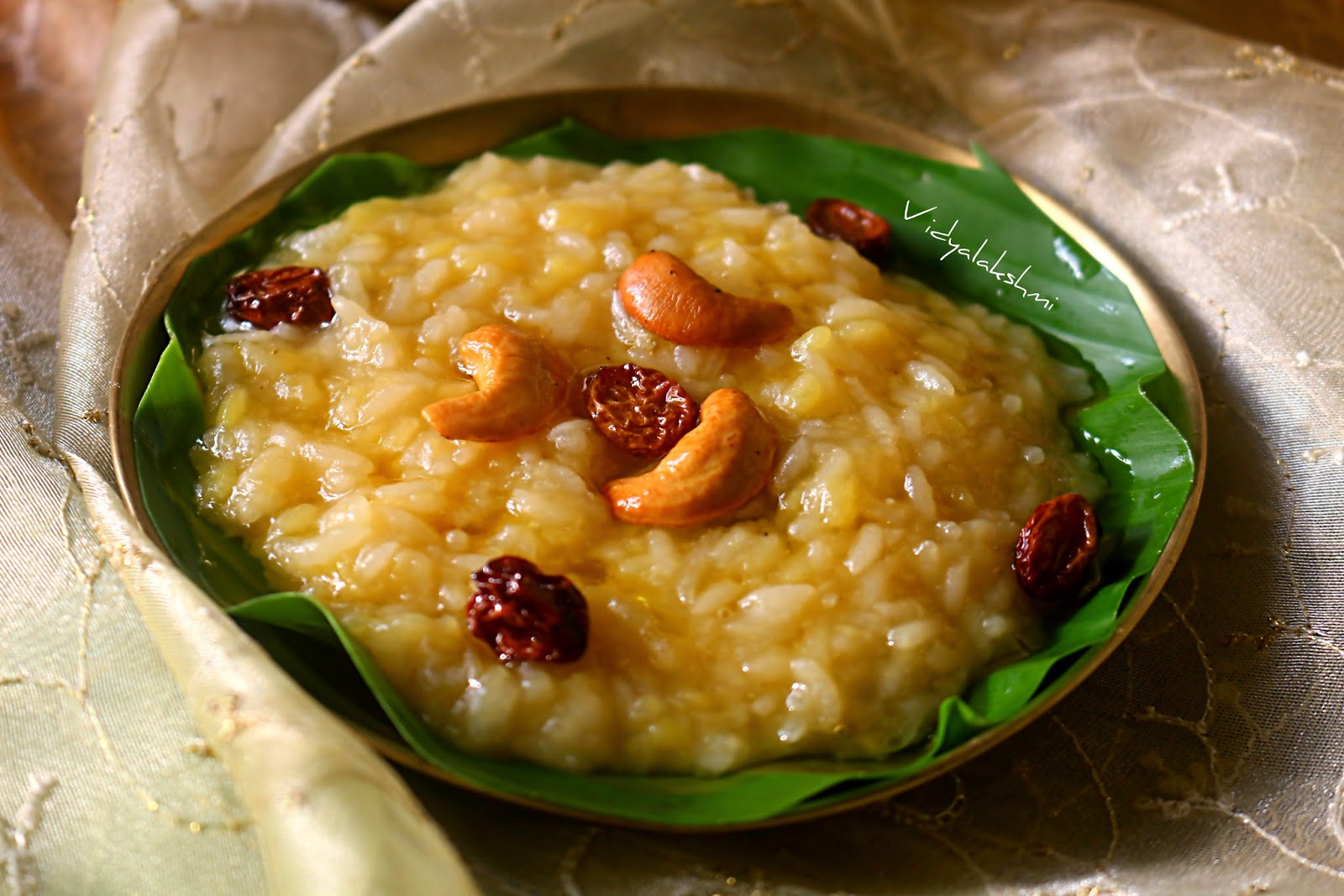
South Indian cuisine is deeply rooted in tradition, and few dishes represent celebration and devotion like sakkarai pongal. This rich, sweet rice dish is lovingly prepared during festivals, temple rituals, and family gatherings. Its comforting blend of rice, lentils, jaggery, and ghee creates a warm and satisfying dessert that carries both cultural and culinary significance.
At Shalimar, we are proud to present traditional recipes that honor heritage while delivering authentic flavor. This beloved sweet dish reflects the beauty of simple ingredients cooked with patience and devotion.
What is Sakkarai Pongal?
Sakkarai pongal is a sweet rice preparation made with raw rice, moong dal, jaggery, ghee, and aromatic spices. The word “sakkarai” means sugar (or sweetness), and “pongal” refers to the act of boiling over, symbolizing abundance and prosperity.
This dish is especially associated with the harvest festival of Pongal in Tamil Nadu, where it is prepared as an offering of gratitude. Its creamy texture, caramel-like sweetness, and generous use of ghee make it both sacred and indulgent.
Often searched online as sakkarai pongal recipe in Tamil or sakkarai pongal seivathu eppadi (how to make it), this dish continues to hold a special place in traditional kitchens.
Cultural and Festive Importance
This sweet preparation is traditionally cooked during the Thai Pongal festival, marking the harvest season. Families prepare it in new pots, allowing the mixture to overflow as a symbol of prosperity and good fortune.
It is also commonly offered in temples as prasadam. The simplicity of ingredients reflects purity, while the richness of flavor highlights celebration and gratitude. At Shalimar, we respect these traditions and strive to recreate the authentic taste associated with festive joy.
Ingredients for Sakkarai Pongal Recipe
Main Ingredients
- 1 cup raw rice
- ¼ cup moong dal
- 1 to 1½ cups grated jaggery
- 3 to 4 cups water or milk
- 4 to 5 tablespoons ghee
Flavoring and Garnish
- Cardamom powder
- Cashew nuts
- Raisins
- Edible camphor (optional, very small pinch)
Each ingredient plays a vital role in achieving the dish’s signature sweetness and texture.
How to Prepare Sakkarai Pongal
Step 1: Roast the Moong Dal
Dry roast moong dal lightly until aromatic. This enhances its nutty flavor.
Step 2: Cook Rice and Dal
Wash rice and combine it with roasted dal. Pressure cook with water or a mix of water and milk until soft and slightly mushy.
Step 3: Prepare Jaggery Syrup
In a separate pan, melt jaggery with a small amount of water. Strain to remove impurities if necessary.
Step 4: Combine and Simmer
Add the melted jaggery syrup to the cooked rice and dal mixture. Stir well and cook on low heat until thick and creamy.
Step 5: Add Ghee and Flavorings
Gradually add ghee while stirring. Mix in cardamom powder.
Step 6: Garnish
Fry cashews and raisins in ghee until golden and add them to the mixture.
Cook until the dish reaches a soft, slightly flowing consistency. It thickens further as it cools.
Tips for Perfect Texture and Taste
- Use good-quality jaggery for deep flavor.
- Cook rice and dal until soft for smooth texture.
- Add ghee gradually for richness and shine.
- Maintain low flame to prevent sticking.
- Adjust sweetness carefully to taste preference.
These steps ensure authentic flavor and restaurant-style consistency.
Sakkarai Pongal Brahmin Recipe Style
In traditional Brahmin households, sakkarai pongal brahmin recipe preparation emphasizes purity and balance. The use of freshly prepared ghee, high-quality jaggery, and a small pinch of edible camphor enhances aroma and spiritual authenticity.
The cooking process is done patiently, often in traditional vessels, ensuring deep flavor infusion.
Taste and Texture Profile
This dish delivers a comforting sensory experience:
- Color: Golden brown
- Texture: Soft, creamy, and slightly thick
- Flavor: Sweet with nutty and caramel notes
- Aroma: Fragrant with ghee and cardamom
The balance between rice softness and dal richness creates a wholesome dessert that feels indulgent yet homely.
Serving Suggestions
Sakkarai pongal can be served:
- Warm as a festive dessert
- As temple-style prasadam
- In small bowls for family gatherings
- Alongside savory pongal for contrast
- As part of a traditional South Indian feast
Its warmth and sweetness make it especially comforting during festive mornings.
Nutritional Overview
This sweet dish provides carbohydrates from rice, protein from moong dal, and energy from jaggery and ghee. Jaggery also contains trace minerals, making it a more natural sweetener option.
Due to its richness, moderate portions are recommended for balanced enjoyment.
Sakkarai Pongal at Shalimar
At Shalimar, we prepare this traditional sweet dish using authentic techniques and premium ingredients. Our chefs focus on achieving the perfect balance of sweetness, creaminess, and aroma. Each serving reflects the cultural roots and festive spirit that define this beloved recipe.
Guests appreciate its comforting taste and the nostalgic memories it evokes.
FAQs
How to make sakkarai pongal?
Cook rice and roasted moong dal until soft, prepare jaggery syrup, combine both, add ghee gradually, and garnish with fried nuts and cardamom.
How to prepare sakkarai pongal?
Prepare by cooking rice and dal together, mixing with melted jaggery, simmering until thick, and finishing with ghee and aromatic spices.
How to make sakkarai pongal in Tamil?
Cook arisi (rice) and pasi paruppu (moong dal), mix with vellam (jaggery) syrup, add nei (ghee), and garnish with mundhiri (cashews) and dry grapes.