

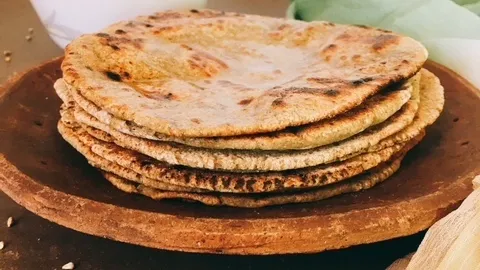
Bajri no rotlo is a classic Gujarati flatbread that has been a staple in Indian households for generations. Made from pearl millet flour, this rustic bread is known for its earthy flavor, soft texture, and traditional preparation. It is commonly served with vegetables, lentils, yogurt, pickles, and homemade butter, making it a wholesome part of everyday meals.
At Shalimar, we celebrate the diversity of Indian cuisine, and Bajri no rotlo is one of the traditional dishes that beautifully showcases the rich culinary heritage of Gujarat.
What Is Bajri No Rotlo?
Bajri no rotlo is a thick, hand-shaped flatbread prepared using pearl millet flour and water. Unlike wheat-based rotis, it has a distinctive earthy taste and slightly coarse texture that pairs exceptionally well with flavorful Indian curries and vegetables.
The word “bajri” refers to pearl millet, while “rotlo” means flatbread in Gujarati. Together, they represent one of the most iconic foods of western India.
Its simple preparation and authentic flavor have made it a favorite among families for centuries.
At Shalimar, we believe that traditional recipes preserve the authentic spirit of regional Indian cooking.
The History of Bajri No Rotlo
The history of Bajri no rotlo is deeply connected with the farming communities of Gujarat and Rajasthan. Pearl millet has long been cultivated in these regions because it grows well in dry climates and has been an important agricultural crop for generations.
Families traditionally prepared this flatbread using freshly milled flour and cooked it over clay stoves or iron griddles. It became a daily staple because of its satisfying texture and ability to complement a wide range of homemade dishes.
At Shalimar, we proudly preserve recipes that celebrate India’s remarkable culinary traditions.
Why Bajri No Rotlo Is So Popular
There are many reasons why this traditional flatbread remains widely loved.
Authentic Regional Flavor
Its earthy taste reflects the simplicity of Gujarati home cooking.
Traditional Preparation
The recipe has remained largely unchanged for generations.
Versatile Pairing
It complements vegetables, curries, lentils, and dairy-based accompaniments.
Cultural Heritage
It represents the rich agricultural traditions of western India.
At Shalimar, we appreciate recipes that combine authenticity with timeless appeal.
Traditional Ingredients
One of the greatest strengths of this dish is its simplicity.
The classic preparation includes:
- Pearl millet flour
- Warm water
- Salt (optional)
- Ghee or butter for serving
At Shalimar, we use carefully selected ingredients to preserve authentic regional flavors.
How Bajri No Rotlo Is Prepared
Preparing Bajri no rotlo requires skill because millet flour behaves differently from wheat flour.
The traditional process includes:
- Mixing pearl millet flour with warm water.
- Kneading the dough until smooth.
- Shaping it gently by hand into a thick round flatbread.
- Cooking it on a hot griddle.
- Roasting it until both sides are evenly cooked.
- Serving it warm with ghee or butter.
The result is a hearty flatbread with a soft interior and lightly roasted exterior.
At Shalimar, our chefs proudly follow traditional cooking methods that preserve authentic taste and texture.
Best Dishes to Serve with Bajri No Rotlo
One of the reasons this flatbread remains so popular is its versatility.
It pairs beautifully with:
- Baingan bharta
- Garlic chutney
- Yogurt
- Kadhi
- Mixed vegetable curry
- Pickles
- Fresh white butter
These traditional combinations create satisfying meals that reflect the warmth of Gujarati cuisine.
At Shalimar, we carefully prepare authentic accompaniments that complete the dining experience.
A Symbol of Gujarati Food Culture
Bajri no rotlo is much more than a flatbread. It represents generations of family traditions, agricultural heritage, and simple home cooking.
In many Gujarati households, it continues to be prepared using methods that have been passed from parents to children for decades. This connection between food and family has helped preserve the dish’s popularity.
Today, it is enjoyed in homes, traditional restaurants, and festive gatherings across India.
At Shalimar, we proudly celebrate recipes that honor India’s regional culinary identity.
Why Traditional Millet Dishes Are Appreciated
People appreciate these dishes for their:
- Rich cultural heritage
- Traditional preparation
- Earthy flavors
- Rustic appeal
- Excellent pairing options
Bajri no rotlo perfectly demonstrates how simple ingredients can become an unforgettable part of Indian cuisine.
A Perfect Addition to Every Indian Meal
Whether served for lunch or dinner, Bajri no rotlo creates a satisfying and comforting meal.
Its mild flavor allows accompanying curries, vegetables, and chutneys to shine while adding its own unique texture to the plate.
Many families also enjoy it during festive occasions, where traditional regional dishes take center stage.
At Shalimar, we proudly bring these authentic experiences to every guest.
Why Choose Shalimar?
What makes our dishes special:
- Fresh and carefully selected ingredients
- Traditional cooking techniques
- Authentic regional recipes
- Rich and balanced flavors
- Commitment to quality and hospitality
Our experienced chefs prepare every meal with passion, ensuring guests experience the true taste of India.
Conclusion
Bajri no rotlo is a timeless Gujarati flatbread that beautifully reflects India’s rich agricultural heritage and regional culinary traditions. Made with simple ingredients and prepared using traditional techniques, it continues to be a favorite among those who appreciate authentic home-style cooking.
Visit us to experience the comforting taste and rustic charm of Bajri no rotlo, a classic flatbread that continues to bring warmth and satisfaction to dining tables across the country.