

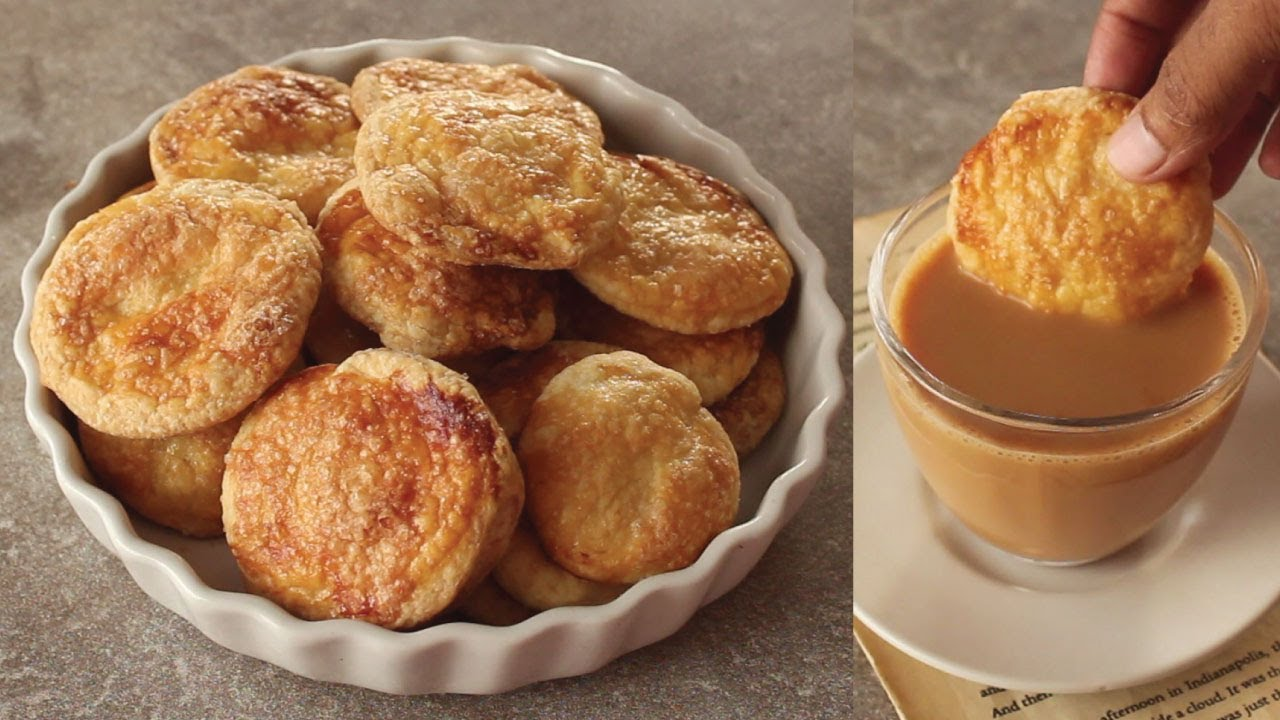
Bakarkhani is a traditional South Asian bread known for its rich flavour, flaky texture, and golden-brown appearance. Popular in Bangladesh, Pakistan, and parts of India, this delicious bakery item is enjoyed with tea, breakfast, or as a satisfying snack. Its distinctive texture comes from a combination of flour, milk, ghee, and carefully prepared dough.
Depending on the region and recipe, Bakarkhani can be slightly sweet, mildly savoury, or enriched with additional ingredients. Some versions are crisp and layered, while others have a softer interior. Its versatility and traditional preparation have made it a favourite among people who appreciate classic South Asian bakery foods.
Whether served with a cup of tea or enjoyed alongside a simple breakfast, Bakarkhani offers a comforting combination of flavour and texture.
What Is Bakarkhani?
Bakarkhani is a traditional flatbread associated with the culinary traditions of South Asia, particularly Bangladesh and the historic food culture of the Indian subcontinent.
It is commonly prepared using wheat flour, milk, ghee, sugar, and salt. The dough is rolled, layered, shaped, and baked until the bread develops a golden colour and firm texture.
In Bangladesh, Bakarkhani is especially associated with Dhaka’s traditional bakery culture. It is often enjoyed during breakfast or as an evening snack with tea.
Different recipes produce different textures. Some varieties are thick and crunchy, while others are softer and more buttery.
The bread is appreciated for its distinctive taste and ability to pair with both sweet and savoury accompaniments.
Ingredients for Bakarkhani Recipe
The following ingredients can be used to prepare a traditional-style Bakarkhani at home.
For the Dough
- 2 cups all-purpose flour
- 3 tablespoons ghee
- 2 tablespoons milk powder, optional
- 2 tablespoons sugar
- ½ teaspoon salt
- ½ teaspoon baking powder
- ½ cup milk, approximately
- Water as needed
For Layering and Topping
- 2 tablespoons softened ghee
- 1 tablespoon flour for dusting
- Sesame seeds, optional
- A little milk for brushing
The ingredients can be adjusted according to the desired flavour.
Ghee helps create a rich taste and contributes to the bread’s flaky texture. Milk adds softness, while sugar provides a mild sweetness.
Sesame seeds can be used as a topping to introduce a slightly nutty flavour.
How to Make Bakarkhani
Preparing Bakarkhani involves making the dough, creating layers, shaping the bread, and baking it until golden and crisp.
Step 1: Prepare the Dough
Place the flour in a large mixing bowl.
Add sugar, salt, baking powder, and milk powder if using.
Mix the dry ingredients thoroughly.
Add ghee and rub it into the flour until the mixture resembles coarse crumbs.
Gradually add milk and a little water if necessary.
Knead until a smooth, firm dough forms.
Cover the dough and allow it to rest for approximately 20–30 minutes.
Resting makes the dough easier to roll and shape.
Step 2: Roll the Dough
Divide the dough into equal portions.
Take one portion and roll it into a thin sheet on a lightly floured surface.
The sheet should be reasonably even so the bread cooks uniformly.
If the dough becomes difficult to handle, allow it to rest for a few minutes before continuing.
Step 3: Create the Layers
Spread a thin layer of softened ghee over the rolled dough.
Sprinkle a small amount of flour over the surface.
Fold the dough or roll it into a layered shape, depending on the preparation method.
Repeat the process if a more layered texture is desired.
These layers help create the characteristic flaky structure of Bakarkhani.
Step 4: Shape the Bread
Roll the prepared dough gently into a thick or medium-sized flatbread.
Cut it into round or oval shapes.
Make small marks on the surface using a fork or knife.
These marks help create the traditional appearance and allow the bread to bake more evenly.
Brush the surface lightly with milk or ghee.
Sesame seeds can be added if desired.
Step 5: Bake the Bakarkhani
Preheat the oven to approximately 180°C.
Place the shaped dough on a baking tray.
Bake until the bread becomes golden brown and develops a firm texture.
The baking time depends on the thickness of the bread and the oven.
Check the bottom and top during baking to ensure the bread cooks evenly.
For a crispier texture, allow it to bake slightly longer while monitoring the colour carefully.
Step 6: Cool and Serve
Remove the Bakarkhani from the oven once it is properly baked.
Allow it to cool slightly before serving.
The bread may become firmer as it cools.
Serve it warm or at room temperature with tea, milk, or another preferred accompaniment.
What Does Bakarkhani Taste Like?
Bakarkhani has a rich, buttery flavour with a distinctive wheat aroma.
The addition of ghee gives it a smooth, slightly nutty taste, while milk contributes softness.
Depending on the recipe, sugar can create a mild sweetness that balances the savoury ingredients.
Its texture is one of its most appealing features.
Some varieties are crisp and crunchy, while others have a flaky exterior and softer centre.
The layered preparation helps create a texture that is different from ordinary flatbread.
Bakarkhani is generally not heavily spiced, allowing the natural flavour of the flour, milk, and ghee to remain prominent.
Best Ways to Serve Bakarkhani
Bakarkhani can be enjoyed in several traditional ways.
With Tea
Tea is one of the most popular accompaniments.
The rich flavour of the bread pairs well with a warm cup of milk tea or black tea.
Its crisp texture also makes it suitable for dipping.
With Milk
Bakarkhani can be served with warm milk for breakfast or as an evening snack.
The combination is especially appealing for people who enjoy simple bakery foods.
With Butter or Ghee
A small amount of butter or ghee can enhance the bread’s richness.
This is particularly suitable for softer varieties.
With Breakfast
Bakarkhani can be included in a breakfast spread alongside eggs, tea, or other traditional foods.
Its satisfying texture makes it a convenient option for a morning meal.
Bakarkhani and South Asian Food Culture
Bakarkhani has a long association with traditional bakery culture in South Asia.
In Bangladesh, it is particularly connected with Dhaka’s historic food traditions, where bakeries prepare different varieties for everyday meals and special occasions.
The bread reflects the influence of regional cooking techniques and the popularity of wheat-based bakery products.
Its preparation has evolved over time, with modern bakeries offering different shapes, flavours, and textures.
Despite these variations, Bakarkhani remains a familiar traditional food enjoyed by people across generations.
Is Bakarkhani Nutritious?
Bakarkhani provides carbohydrates from wheat flour, which contribute energy.
Milk and ghee add fat, while milk may also contribute some protein and calcium.
The nutritional value depends on the recipe, portion size, and amount of sugar and ghee used.
Because some versions contain considerable fat and refined flour, it is generally best enjoyed in moderate portions.
Serving Bakarkhani with eggs, milk, or another protein-rich food can help create a more balanced breakfast.
People with specific dietary requirements should check the ingredients before consuming it.
Enjoy Traditional Bakery Foods at Shalimar
Bakarkhani is a delicious choice for people who enjoy traditional South Asian bakery items.
Its buttery flavour, crisp texture, and versatile serving options make it suitable for breakfast, tea time, or a light snack.
Guests visiting Shalimar can check the current menu for availability and explore suitable accompaniments.
Conclusion
Bakarkhani is a traditional South Asian bread that combines wheat flour, milk, ghee, and simple seasonings to create a rich and satisfying bakery delicacy.
Its golden appearance, flaky texture, and distinctive flavour have made it popular across Bangladesh and other parts of the region.
Whether enjoyed with tea, milk, or as part of breakfast, Bakarkhani offers a delicious taste of South Asian food traditions.
Suggested Category: Indian Food / Indian Breads