

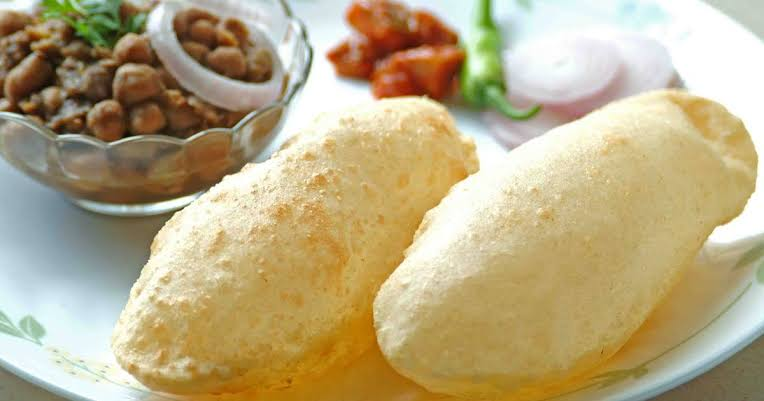
Bhatoora is a popular Indian bread known for its soft texture, golden appearance, and delicious flavour. Commonly enjoyed with chole, this deep-fried bread is a favourite in North Indian cuisine and is often served for breakfast, lunch, or special occasions. Its slightly crisp exterior and fluffy interior make it a satisfying accompaniment to spicy curries and traditional Indian dishes.
Prepared using flour, yogurt, and a few basic ingredients, Bhatoora is made by kneading dough, allowing it to rest, and frying it until it puffs up. The bread is especially popular in Punjabi food culture, where it is commonly paired with chickpea curry to create the famous Chole Bhature combination.
Whether enjoyed at home or as part of a restaurant meal, Bhatoora offers a comforting taste of traditional Indian cooking.
What Is Bhatoora?
Bhatoora, also spelled Bhatura or Bhature, is a traditional deep-fried bread associated with North Indian cuisine.
It is generally prepared using all-purpose flour, yogurt, salt, and a leavening ingredient. The dough is rolled into a circular shape and fried in hot oil until it expands and becomes golden.
The bread is especially popular in Punjab, Delhi, and other northern regions of India. It is commonly served with chole, a spicy chickpea curry prepared with onions, tomatoes, and aromatic spices.
Different recipes use different combinations of flour, yogurt, and leavening agents. Some versions include semolina to improve the texture, while others rely on yogurt and resting time to develop the dough.
Ingredients for Bhatoora Recipe
The following ingredients can be used to prepare traditional-style Bhatoora at home.
For the Dough
- 2 cups all-purpose flour
- 2 tablespoons semolina, optional
- ¼ cup plain yogurt
- ½ teaspoon salt
- ½ teaspoon sugar
- ½ teaspoon baking powder
- 1 tablespoon oil
- Water as required
For Frying
- Cooking oil, as needed
The flour provides the structure of the bread, while yogurt contributes softness and a mild tangy flavour.
Semolina can add a slightly different texture, and baking powder helps the dough develop a lighter consistency.
The amount of water should be adjusted carefully to create a soft, flexible dough.
How to Make Bhatoora
Preparing Bhatoora involves making the dough, allowing it to rest, rolling it into circles, and frying it until it puffs up.
Step 1: Prepare the Dough
Add all-purpose flour, semolina if using, salt, sugar, and baking powder to a mixing bowl.
Mix the dry ingredients thoroughly.
Add yogurt and oil.
Gradually pour in water while kneading until a soft, smooth dough forms.
The dough should be flexible but not excessively sticky.
Knead for several minutes to help develop a smooth texture.
Step 2: Allow the Dough to Rest
Cover the dough with a clean cloth or place it in a covered bowl.
Allow it to rest for approximately 1–2 hours, depending on the recipe.
Resting helps the dough become easier to roll and improves its texture.
Some traditional preparations use longer resting periods to develop the dough.
Step 3: Divide and Shape
Divide the rested dough into equal-sized portions.
Roll each portion between your palms to form a smooth ball.
Lightly grease the rolling surface.
Using a rolling pin, flatten each ball into a circular or oval shape.
The dough should be rolled evenly so that the bread can puff during frying.
Avoid making it too thin, as this may affect its texture.
Step 4: Heat the Oil
Pour sufficient cooking oil into a deep pan.
Heat the oil over medium-high heat.
The oil should be hot enough for the dough to puff quickly but not so hot that the outside browns before the inside cooks.
If it rises quickly and begins frying, the oil is generally ready.
Step 5: Fry the Bhatoora
Carefully slide one rolled dough portion into the hot oil.
Gently press the surface with a slotted spoon to encourage it to puff.
Once the bread expands, turn it over and fry the other side.
Cook until it develops a light golden colour.
Remove the Bhatoora and place it on a plate lined with paper towels to absorb excess oil.
Repeat the process with the remaining dough portions.
What Does Bhatoora Taste Like?
Bhatoora has a mild, slightly tangy flavour and a soft, fluffy texture.
The outer surface becomes lightly crisp during frying, while the inside remains tender.
Yogurt adds a subtle richness, and the flour gives the bread its familiar taste.
Because Bhatoora is relatively mild, it pairs well with strongly seasoned curries.
Its flavour is particularly enjoyable alongside chickpeas cooked with tomatoes, onions, and traditional Indian spices.
The contrast between the soft bread and thick curry makes the combination satisfying.
Best Ways to Serve Bhatoora
Bhatoora can be enjoyed with several traditional Indian dishes.
With Chole
Chole is the most popular accompaniment.
The chickpea curry is prepared with onions, tomatoes, ginger, garlic, and spices.
Its rich gravy complements the soft and slightly crisp bread.
Together, they create the famous Chole Bhature combination.
With Aloo Sabzi
Aloo sabzi is another delicious option.
Its soft texture pairs well with freshly fried Bhatoora.
With Pickles
Indian pickles add a tangy and spicy flavour.
They can provide a refreshing contrast to the mild bread.
With Fresh Salad
A simple salad made with onions, cucumber, tomatoes, and lemon can add freshness to the meal.
It also provides a lighter accompaniment to the fried bread.
Bhatoora and North Indian Food Culture
Bhatoora has an important place in North Indian food traditions.
It is particularly associated with Punjabi cuisine, where it is commonly served with chickpea curry.
The dish is popular at breakfast restaurants, roadside eateries, family gatherings, and festive meals.
Its preparation has also become widely recognized outside India, with Indian restaurants serving Bhatoora as part of their traditional menus.
Although the basic ingredients remain similar, recipes vary between households and restaurants.
Some cooks prefer a softer bread, while others prepare a slightly crispier version.
These differences reflect the variety of regional cooking styles found throughout Indian cuisine.
Is Bhatoora Nutritious?
Bhatoora provides carbohydrates from flour, which contribute energy.
Yogurt adds some protein and other nutrients, depending on the recipe.
Its nutritional value depends on the ingredients, portion size, and amount of oil absorbed during frying.
For a balanced meal, Bhatoora can be served with chickpea curry, vegetables, and fresh salad.
People managing specific dietary requirements should consider the ingredients and preparation method.
Enjoy Bhatoora at Shalimar
Bhatoora is a delicious choice for people who enjoy traditional North Indian breads and flavourful curries.
Its soft texture, golden appearance, and versatility make it suitable for breakfast, lunch, or a satisfying meal.
Guests visiting Shalimar can check the current menu for availability and explore suitable accompaniments such as chole, potato curry, or fresh salad.
Conclusion
Its popularity comes from its delicious flavour, versatile serving options, and close connection with North Indian food culture.
Whether enjoyed with chole, aloo sabzi, or fresh salad, Bhatoora offers a satisfying taste of traditional Indian cuisine.
