

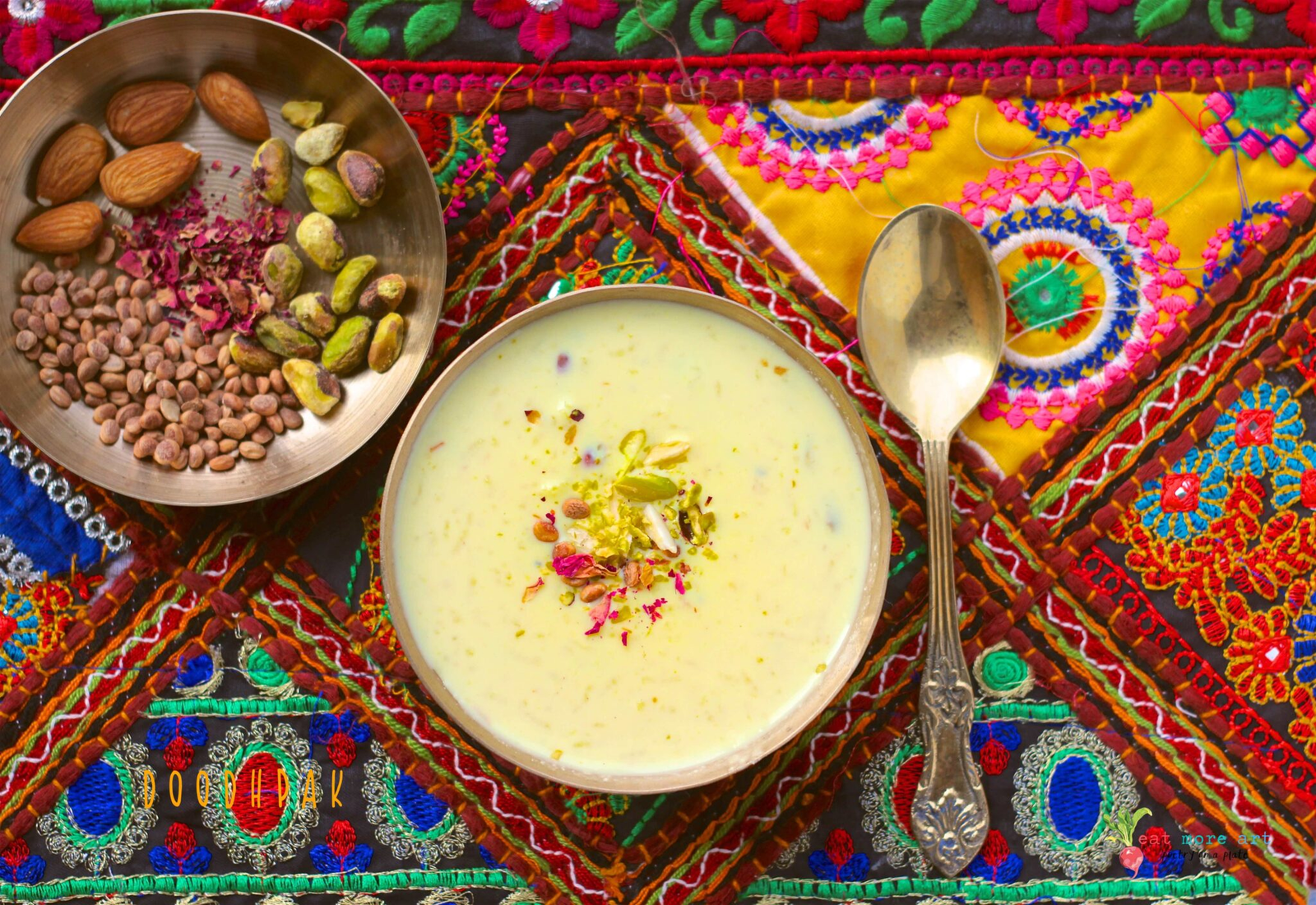
Doodhpak is a traditional Indian dessert known for its creamy texture, delicate sweetness, and rich milk flavour. Popular in Gujarat and parts of western India, this comforting sweet is prepared by slowly cooking milk with rice, sugar, and aromatic ingredients until the mixture becomes thick and delicious. Often garnished with almonds, pistachios, and cardamom, Doodhpak is a favourite during festivals, celebrations, and special family meals.
This classic dessert is especially appreciated for its simplicity. Unlike sweets that require complicated preparation or numerous ingredients, Doodhpak relies on the natural richness of milk and the gentle flavour of rice. Its smooth consistency and fragrant seasoning make it an appealing choice for people who enjoy traditional Indian sweets.
What Is Doodhpak?
Doodhpak is a traditional milk-based dessert associated particularly with Gujarati cuisine. The name combines the Gujarati word for milk, doodh, with pak, referring to a cooked preparation.
The dessert is generally made by simmering milk with rice and sugar until the rice becomes soft and the milk develops a rich consistency. Cardamom, saffron, and chopped nuts are frequently added to enhance its flavour and appearance.
Doodhpak is commonly served during festivals, religious occasions, weddings, and family gatherings. It is also enjoyed as a sweet ending to a traditional Indian meal.
Although it resembles rice pudding, its preparation and flavour can vary according to regional traditions and family recipes.
Ingredients for Doodhpak Recipe
Preparing this traditional dessert requires a few simple ingredients.
Milk
Milk forms the foundation of the dish. Full-fat milk is commonly used because it produces a richer texture and more satisfying flavour.
Rice
A small quantity of rice provides texture and helps create the dessert’s characteristic consistency. Short-grain rice is often suitable because it softens during cooking.
Sugar
Sugar adds sweetness and balances the natural flavour of milk. The amount can be adjusted according to personal preference.
Cardamom
Cardamom powder provides a warm, fragrant aroma that complements the creamy milk.
Saffron
Saffron is an optional ingredient that adds a delicate fragrance and a beautiful golden colour.
Almonds and Pistachios
Chopped almonds and pistachios contribute crunch and make the dessert more attractive. Some recipes also include cashews or raisins.
How to Make Doodhpak Step by Step
Step 1: Wash the Rice
Rinse the rice thoroughly under clean water to remove excess surface starch and impurities.
If desired, soak the rice for approximately 15 to 20 minutes. This can help it cook more evenly and soften more quickly.
Drain the rice before using it.
Step 2: Heat the Milk
Pour the milk into a heavy-bottomed pan and bring it to a gentle boil over medium heat.
Stir occasionally to prevent the milk from sticking to the bottom. Once it begins boiling, reduce the heat and allow it to simmer.
Step 3: Add the Rice
Add the prepared rice to the simmering milk.
Cook over low to medium heat, stirring regularly. Allow the rice to soften gradually while the milk begins to thicken.
Avoid cooking over excessively high heat because milk can scorch or boil over easily.
Step 4: Add Sugar
Once the rice is tender, add sugar and stir until it dissolves completely.
Continue simmering gently until the mixture reaches a creamy consistency. The dessert should be thick enough to coat a spoon while remaining smooth and enjoyable.
Step 5: Add Cardamom and Saffron
Add cardamom powder for fragrance.
If using saffron, soak a few strands in warm milk before adding them to the pan. This helps release their colour and aroma.
Stir everything together and allow the flavours to combine.
Step 6: Garnish with Nuts
Add chopped almonds and pistachios. You can reserve a small quantity for garnishing the dessert before serving.
Cook for another minute or two, then remove the pan from the heat.
Step 7: Serve Warm or Chilled
Allow the dessert to cool slightly before serving.
Doodhpak can be enjoyed warm, at room temperature, or chilled. Refrigeration generally makes it thicker, so a little milk can be added when adjusting its consistency before serving.
What Does Doodhpak Taste Like?
Doodhpak has a creamy, mildly sweet flavour with soft rice grains and a delicate aroma.
The milk provides richness, while rice gives the dessert its traditional texture. Cardamom introduces a warm fragrance, and saffron can add a subtle floral note.
Almonds and pistachios create a pleasant contrast to the smooth consistency. The overall flavour is gentle rather than intensely sweet, although the sweetness can be adjusted according to the recipe.
Its comforting taste makes it particularly appealing to people who enjoy traditional milk-based desserts.
Doodhpak vs Traditional Rice Pudding
Doodhpak and rice pudding share several ingredients, including milk, rice, and sugar. However, Doodhpak is particularly associated with Gujarati food traditions and is often flavoured with cardamom, saffron, and nuts.
Traditional rice pudding recipes vary widely around the world. Some use cinnamon, vanilla, or other flavourings, while Indian preparations commonly feature cardamom and regional ingredients.
The consistency also depends on the recipe. Some versions of Doodhpak are thick and creamy, while others remain slightly more fluid.
Both desserts demonstrate how simple ingredients can create distinctive flavours through different cooking techniques.
Is Doodhpak a Healthy Dessert?
Doodhpak provides nutrients from milk, including protein and calcium. Rice contributes carbohydrates, while nuts can add healthy fats, fibre, and additional nutrients.
However, the dessert also contains sugar and may be relatively high in calories, particularly when prepared with full-fat milk and generous amounts of nuts.
Its nutritional value depends on the ingredients, portion size, and preparation method. Using moderate amounts of sugar and enjoying a suitable portion can help make it part of a balanced diet.
Doodhpak is best enjoyed as a traditional dessert rather than considered a substitute for a balanced meal.
When Is Doodhpak Served?
Doodhpak is commonly prepared during festivals, religious celebrations, weddings, and family gatherings.
In Gujarati households, it is often enjoyed alongside other traditional dishes as part of a festive meal. Its creamy texture and mild sweetness make it suitable for serving after savoury preparations.
It can also be prepared ahead of time and refrigerated, making it convenient for entertaining guests.
Explore Traditional Indian Desserts at Shalimar
At Shalimar, exploring Indian cuisine means discovering the regional traditions that make the country’s food culture so diverse.
Doodhpak represents the comforting side of Gujarati cooking, combining milk, rice, aromatic spices, and nuts into a traditional dessert. Its simple preparation and delicate flavour make it an interesting example of India’s rich culinary heritage.
Guests can check Shalimar’s current menu to discover the sweets and regional specialities available.
Conclusion
Doodhpak is a traditional Gujarati dessert made with milk, rice, sugar, and aromatic ingredients such as cardamom and saffron. Its creamy consistency, gentle sweetness, and rich flavour have made it a popular choice for festivals and special occasions.
Whether served warm or chilled, this classic milk-based sweet offers a comforting way to experience traditional Indian dessert culture.
Suggested Category: Indian Food / Indian Desserts