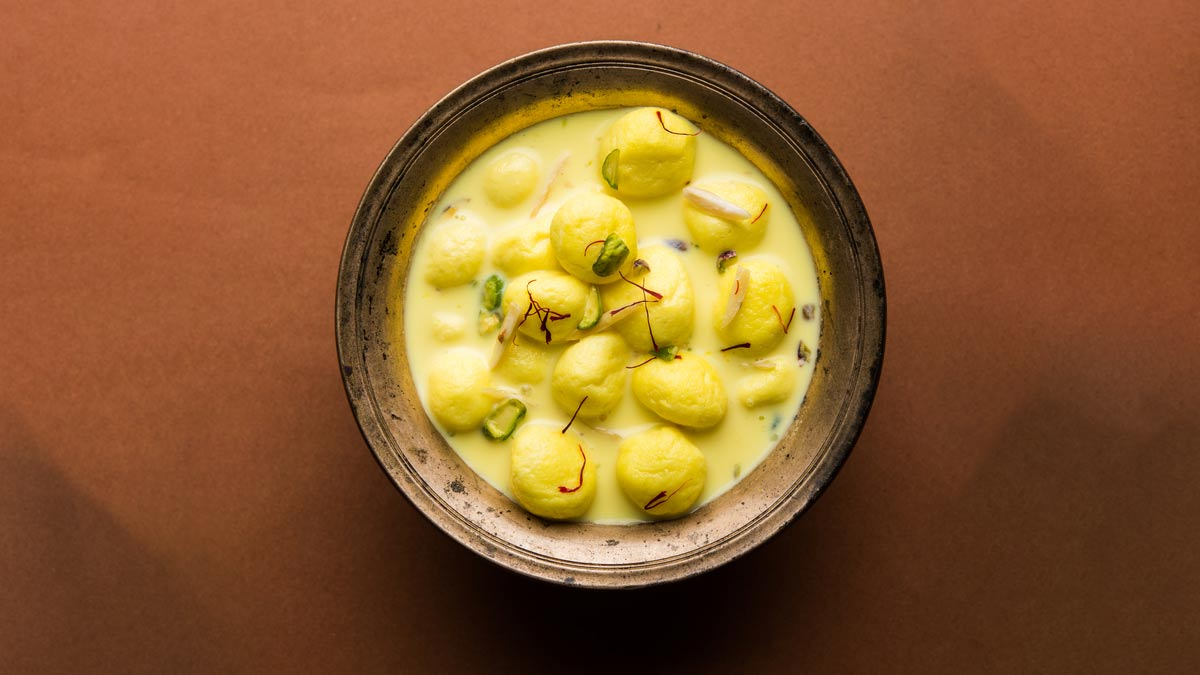

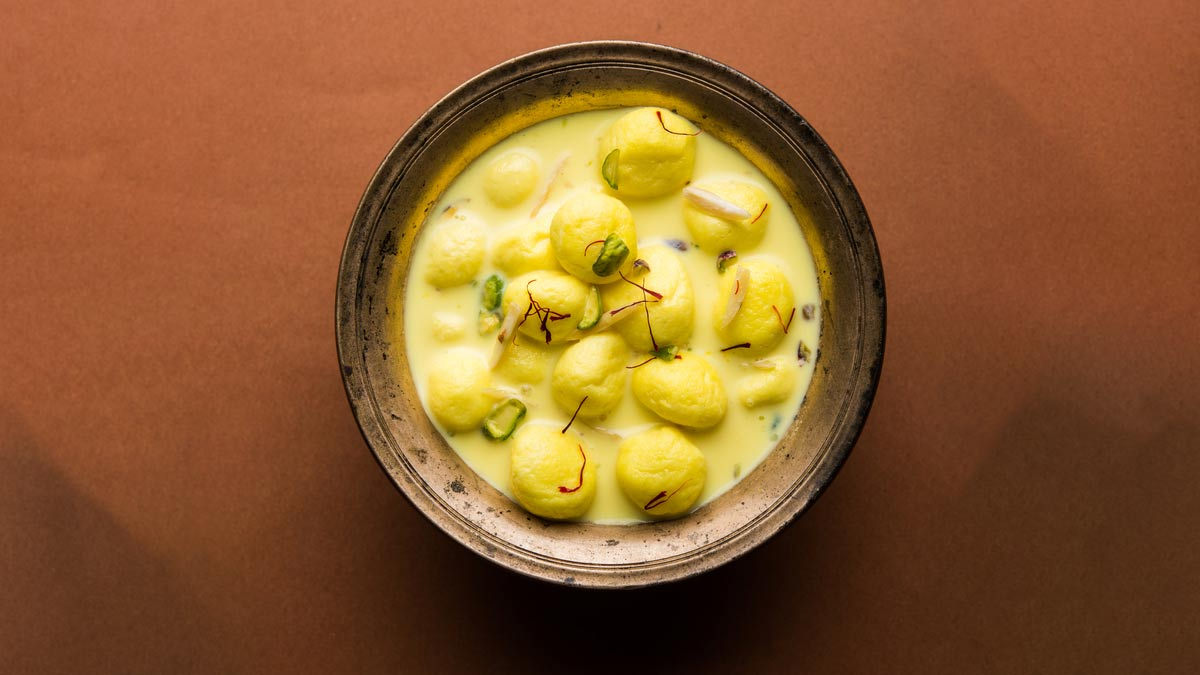
Basundi is a traditional Indian dessert known for its creamy texture, rich milk flavour, and delicate sweetness. Popular in Gujarat, Maharashtra, and parts of western India, this beloved sweet is often prepared for festivals, family gatherings, weddings, and other special occasions. Made by slowly reducing milk and adding sugar, cardamom, and nuts, it offers a comforting taste of Indian culinary heritage.
Unlike many thick milk-based desserts, Basundi can have a slightly flowing consistency with soft layers of cream throughout. Its simple ingredients and aromatic flavour make it a favourite among people who enjoy classic Indian sweets. Whether served chilled or slightly warm, it provides a delicious ending to a traditional meal.
What Is Basundi?
Basundi is a milk-based Indian dessert prepared by simmering full-fat milk until it reduces and develops a richer flavour. Sugar is added for sweetness, while cardamom, saffron, almonds, pistachios, or other nuts may be used for aroma and texture.
The dessert is particularly associated with western India, where different households follow their own preparation methods. Some prefer it relatively thin and pourable, while others cook it longer to achieve a thicker consistency.
The slow cooking process gives Basundi its characteristic taste. As the milk reduces, its natural sweetness becomes more concentrated, creating a creamy dessert without requiring complicated ingredients.
The Origins and Cultural Significance of Basundi
Basundi has a strong place in the food traditions of Gujarat and Maharashtra. It is commonly prepared during festivals and celebrations, when families gather to share special meals and traditional sweets.
In many homes, the dessert is associated with occasions such as Diwali, religious celebrations, weddings, and family functions. Its popularity comes partly from its familiar ingredients and partly from the care involved in preparing it.
Regional variations reflect local preferences. Some recipes use saffron and generous amounts of nuts, while others focus on the natural flavour of reduced milk and cardamom. Despite these differences, the central idea remains the same: transforming milk into a rich and aromatic sweet.
Ingredients Used in Basundi
One of the appealing features of this dessert is its relatively simple ingredient list. Traditional preparations commonly include:
- Full-fat milk: The main ingredient, responsible for its creamy texture.
- Sugar: Adds sweetness and balances the concentrated milk flavour.
- Cardamom: Provides a warm, fragrant aroma.
- Almonds and pistachios: Add crunch and visual appeal.
- Saffron: An optional ingredient that contributes fragrance and colour.
- Nutmeg: Sometimes added in small quantities for extra warmth.
The quality of the milk plays an important role in the final result. Full-fat milk generally produces a richer dessert, while the amount of sugar and the choice of flavourings can be adjusted to personal preference.
How Is Basundi Prepared?
Preparing traditional Basundi requires patience rather than complicated cooking techniques. First, full-fat milk is poured into a heavy-bottomed pan and brought to a gentle boil.
The heat is then reduced, allowing the milk to simmer slowly. It should be stirred regularly to prevent it from sticking to the bottom of the pan. Cream that forms on the surface can be stirred back into the milk, helping create the dessert’s characteristic texture.
As the milk reduces, sugar is added and mixed until dissolved. Crushed cardamom and optional saffron are incorporated to enhance the aroma. Chopped almonds and pistachios are added toward the end, although some can be reserved for garnishing.
The dessert is removed from the heat when it reaches the desired consistency. It can be served warm or refrigerated for a chilled version. Since it thickens further as it cools, the consistency should be checked before serving.
What Makes Basundi Different from Rabri?
Basundi and Rabri are both traditional Indian milk desserts, but they differ in texture and preparation.
Basundi is often smoother and more pourable, although some versions can be quite thick. Rabri is typically made by collecting and layering the cream that forms on simmering milk, producing a more distinctly layered texture.
Both desserts may contain cardamom, saffron, and nuts. Their precise consistency depends on the recipe and cooking method, but Basundi is generally enjoyed as a creamy dessert that can be served in a bowl or cup.
Popular Variations of Basundi
Over time, different versions of this dessert have become popular.
Saffron Basundi
Saffron adds a delicate aroma, golden colour, and luxurious character. This version is particularly suitable for festive meals.
Nut-Rich Basundi
Almonds, pistachios, and sometimes cashews provide extra texture and flavour. The nuts also make the dessert visually appealing.
Chilled Basundi
Refrigerated Basundi is refreshing after a spicy or rich Indian meal. Its texture becomes thicker as it cools, making it ideal for serving in dessert bowls.
Seasonal Fruit Basundi
Some modern variations incorporate fruit, such as mango, for a fresh flavour. Fruit is generally mixed in after the milk mixture has cooled to help preserve its taste and texture.
Nutritional Value of Basundi
Basundi provides energy from milk fat and sugar, as well as protein and calcium from milk. Nuts contribute some healthy fats, minerals, and additional nutrients.
However, the nutritional value depends on the serving size, milk used, sugar content, and quantity of nuts. Because traditional recipes can be rich in both fat and sugar, it is best enjoyed in moderation as part of a balanced diet.
People looking for a lighter version can experiment with reducing the added sugar, though this will change the final taste.
Why Enjoy Traditional Desserts at Shalimar?
At Shalimar, traditional Indian desserts offer a delicious way to appreciate the country’s diverse culinary heritage. Basundi stands out for its smooth texture, aromatic cardamom, and rich milk flavour.
Its gentle sweetness makes it a suitable choice after a meal featuring spicy curries, rice, or Indian breads. Whether you enjoy familiar Indian sweets or want to explore regional specialities, this classic dessert is worth discovering.
Conclusion
Basundi is a timeless Indian dessert that turns a few everyday ingredients into a rich and satisfying sweet. Slow-simmered milk, sugar, cardamom, and nuts create its distinctive creamy texture and delicate aroma.
Popular in Gujarat and Maharashtra, it remains a favourite for festivals, family gatherings, and special meals. Served warm or chilled, Basundi is a delicious example of the simplicity and richness of traditional Indian desserts.