

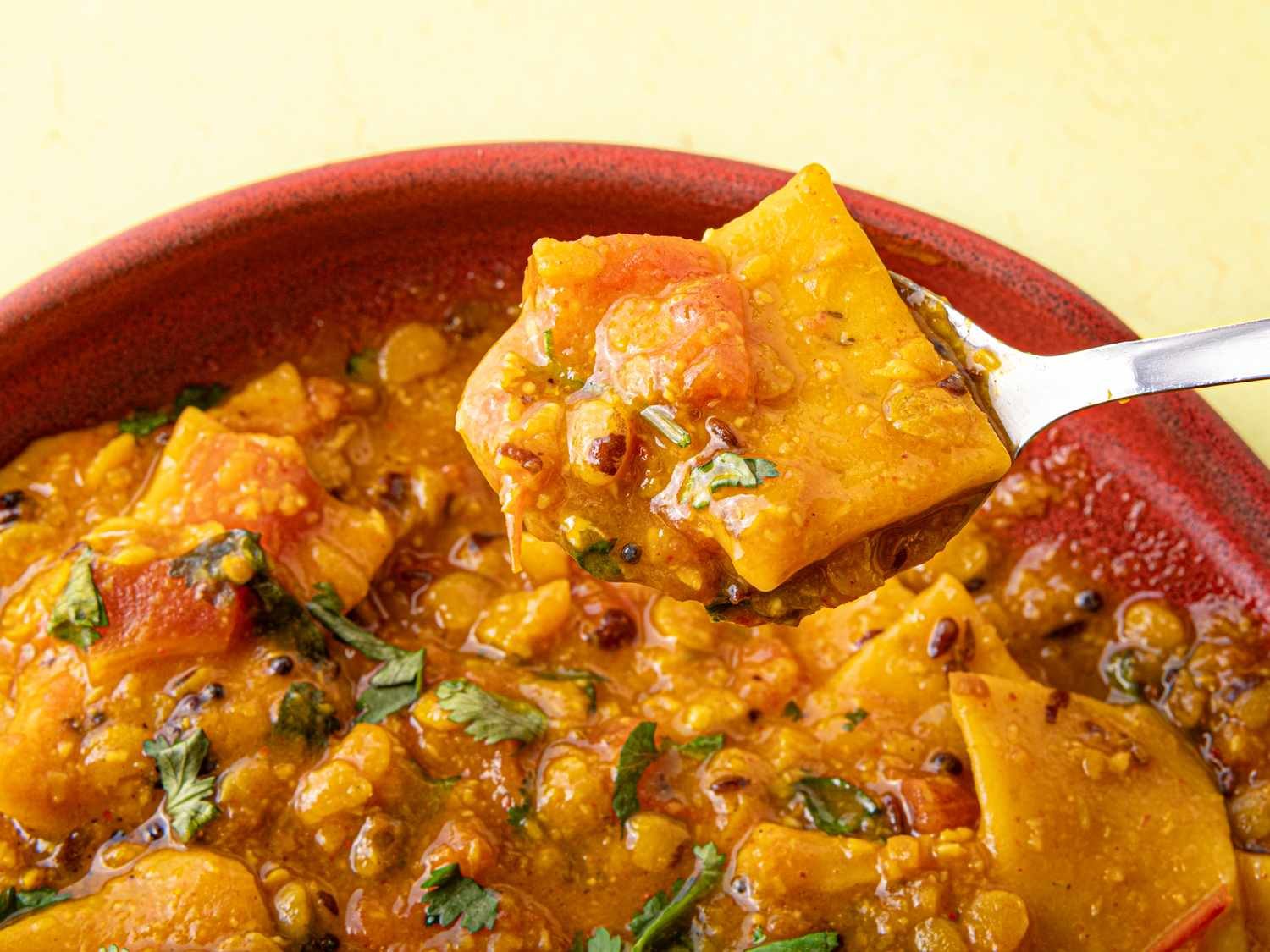
Indian cuisine is filled with comforting dishes that bring together simple ingredients in creative ways. Daal Dhokli is a classic Gujarati preparation that combines hearty lentils with soft pieces of spiced wheat dough. It is filling, flavorful, and traditionally enjoyed as a wholesome meal, making it a wonderful example of the warmth found in Indian home cooking.
At Shalimar, guests can explore regional Indian flavors through traditional dishes that reflect the country’s diverse culinary heritage. This Gujarati favorite offers a satisfying combination of creamy lentils, soft dough pieces, aromatic spices, and fresh herbs.
What Is Daal Dhokli?
Daal Dhokli is essentially a one-pot Gujarati meal made by cooking pieces of wheat-flour dough directly in seasoned lentils. The word “daal” refers to the lentil base, while “dhokli” refers to the small pieces of dough cooked in it.
The lentils are usually prepared with a mildly sweet, tangy, and spicy flavor. Ingredients such as jaggery, tamarind, lemon juice, turmeric, chili, cumin, and coriander can be used to create its distinctive balance.
The dough pieces absorb the flavorful lentil broth as they cook, becoming soft and tender.
The Gujarati Culinary Tradition
Daal Dhokli has a strong connection with Gujarati home-style cooking. Gujarat is known for its distinctive balance of sweet, sour, spicy, and savory flavors, and this dish demonstrates that balance particularly well.
Different households may prepare it differently. Some versions are more tangy, while others have a stronger sweet or spicy character. The consistency can also range from a thick, stew-like preparation to a more soupy version.
These variations are part of what makes traditional Indian cooking so interesting.
Main Ingredients
The lentil base is commonly prepared using toor dal, which provides a creamy texture and mild flavor.
The dough is usually made with whole wheat flour, salt, turmeric, chili powder, and spices such as cumin or carom seeds. Some recipes add a little oil or ghee to make the dough softer.
For the dal, common ingredients include tomatoes, green chilies, ginger, turmeric, cumin, mustard seeds, curry leaves, and coriander. Jaggery and tamarind are often used to create the characteristic sweet-and-tangy balance.
Fresh coriander and ghee can be added just before serving.
How Is Daal Dhokli Prepared?
Preparation begins by cooking the toor dal until it becomes soft. The cooked lentils are then whisked or mashed to create a smooth consistency.
Meanwhile, the dough is prepared by combining whole wheat flour with salt, spices, and water. It is kneaded into a soft dough and allowed to rest briefly.
The dough is then rolled into a thin sheet. Small diamond-shaped or square pieces are cut from it.
The seasoned dal is brought to a gentle boil, and the dough pieces are added gradually. They are cooked directly in the dal until tender.
As they cook, the pieces absorb the flavors of the lentil broth. The dish is stirred carefully to prevent the dough pieces from sticking together.
A final tempering of ghee or oil with cumin, mustard seeds, curry leaves, dried red chilies, or other spices can add additional aroma.
What Does It Taste Like?
One of the most distinctive features of Daal Dhokli is its balanced flavor. The lentils provide a savory and creamy base, while jaggery contributes a gentle sweetness.
Tamarind or lemon juice adds acidity, creating the tangy element that complements the spices. Chili and ginger can provide warmth without overpowering the dish.
The dhokli pieces are soft and chewy, absorbing the flavorful dal as they cook. This combination makes every spoonful both filling and comforting.
A Wholesome Meal
Unlike many Indian snacks that are served between meals, Daal Dhokli is substantial enough to be enjoyed as a complete meal.
The combination of lentils and wheat dough makes it particularly satisfying. It is commonly served for lunch or dinner and can be accompanied by a small amount of rice, salad, pickle, or yogurt.
A drizzle of ghee over the finished dish can add richness and enhance its traditional character.
Regional Variations
Although the Gujarati version is especially well known, similar lentil-and-dough preparations can be found in other parts of western India.
Families may adjust the dish according to local ingredients and personal preferences. Some cooks add peanuts, vegetables, or additional spices, while others keep the preparation simple.
The shape of the dough pieces can also vary, with squares, diamonds, or irregular pieces being used.
These variations demonstrate how Indian home cooking adapts traditional dishes without losing their basic identity.
Why Try Daal Dhokli at Shalimar?
Shalimar offers diners the chance to experience the wide variety of regional flavors found across India. Daal Dhokli is particularly appealing for those who enjoy comforting, hearty meals with a combination of sweet, tangy, and savory flavors.
Its soft dough pieces and flavorful lentil base create a satisfying texture, while the aromatic tempering adds a finishing touch.
For guests who are discovering Gujarati cuisine, this dish provides an excellent introduction to the region’s distinctive approach to balancing flavors.
Tips for Enjoying Daal Dhokli
This dish is best enjoyed warm, when the dhokli remains soft and the dal is aromatic. A small spoonful of ghee can enhance the flavor.
It pairs well with fresh coriander, lemon, pickle, or yogurt. Because the dhokli continues to absorb liquid after cooking, adding a little warm water or extra dal can help maintain the preferred consistency when reheating.
Conclusion
Daal Dhokli is a classic Gujarati comfort food that combines nutritious lentils with soft wheat-flour pieces in one flavorful preparation. Its balance of sweet, tangy, spicy, and savory notes makes it a distinctive part of western Indian cuisine.
Whether enjoyed as a family meal or discovered at an Indian restaurant, this traditional dish offers both comfort and character. At Shalimar, trying Daal Dhokli is a delicious way to explore the regional traditions and flavors that make Indian cuisine so diverse.