

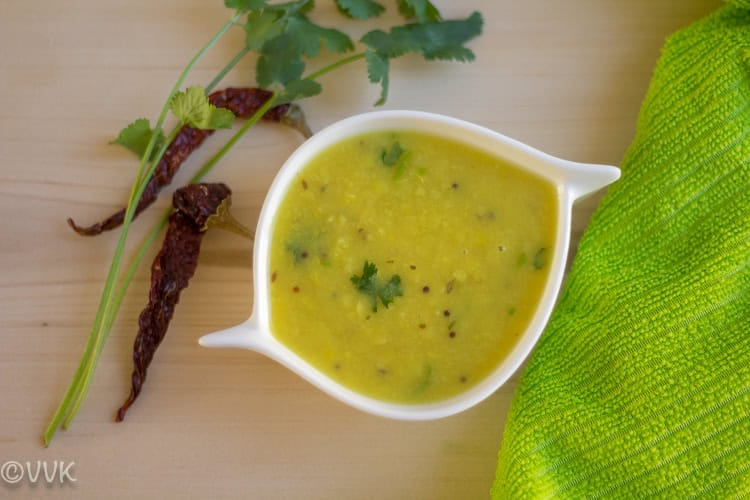
Indian cuisine has countless dal preparations, and each region has its own way of turning humble lentils into comforting and flavorful food. Dalithoy is a traditional Konkani dal known for its simplicity, mild seasoning, and soothing texture. Made primarily with split pigeon peas and a handful of aromatic ingredients, it is a staple in many Konkani households and is often enjoyed with steamed rice.
At Shalimar, traditional Indian cuisine is celebrated through dishes that showcase the diversity of regional cooking. Dalithoy is a wonderful example of how a simple preparation can become an important part of everyday food culture.
What Is Dalithoy?
Dalithoy is a traditional Konkani-style dal prepared mainly with toor dal, also known as pigeon peas. Unlike heavily spiced dals, this preparation is generally mild and focuses on the natural flavor of the lentils.
Cooked dal is blended into a smooth consistency and seasoned with a simple tempering. Garlic, cumin, mustard seeds, curry leaves, green chilies, and asafoetida may be used depending on the regional or family recipe.
The result is a warm, mildly spiced dish that pairs especially well with rice.
The Konkani Connection
Dalithoy has strong roots in the Konkani culinary tradition, particularly among communities along India’s western coast. Food from this region often emphasizes fresh ingredients, coconut, lentils, rice, and simple tempering techniques.
In many Konkani homes, dalithoy is considered an everyday comfort food. It can be prepared quickly and served as part of a simple lunch or dinner.
Its uncomplicated character is one of its greatest strengths. Rather than relying on a long list of spices, the dish allows the lentils and tempering to work together.
Main Ingredients
The traditional preparation requires only a few ingredients. Toor dal is the main component and provides the creamy body of the dish.
Green chilies can add mild heat, while turmeric gives the dal its characteristic golden color. Salt balances the flavors.
The tempering is particularly important. Mustard seeds are commonly heated in oil or ghee until they begin to crackle. Cumin seeds, curry leaves, dried red chilies, asafoetida, or garlic may then be added depending on the recipe.
Some variations use a small amount of coconut, although a simple version can be prepared without it.
How Is Dalithoy Prepared?
Preparing Dalithoy begins with washing the toor dal thoroughly. The lentils are then cooked with water and turmeric until they become soft.
Traditionally, the cooked dal is mashed or whisked until smooth. Additional water can be added to achieve a pourable consistency.
The next step is preparing the tempering. Oil or ghee is heated, and mustard seeds are added. Once they crackle, other ingredients such as cumin, curry leaves, green chili, garlic, dried red chili, or asafoetida can be added.
The hot tempering is poured over the cooked dal and mixed gently. The dish is then brought together over low heat so that the aromas from the tempering blend into the lentils.
The result is a smooth, fragrant dal that is ready to serve with rice.
What Does Dalithoy Taste Like?
Dalithoy has a mild, comforting flavor. The natural creaminess of cooked toor dal forms the foundation, while the tempering adds aroma and subtle spice.
Mustard seeds provide a gentle sharpness, cumin contributes warmth, and curry leaves add a distinctive fragrance. Green chili can provide a fresh touch of heat without overwhelming the dish.
Garlic-based versions have a deeper savory character, while simpler preparations allow the lentils to remain the primary flavor.
Its mild nature makes it particularly suitable for pairing with other dishes that have stronger spices.
How Is It Traditionally Served?
The most traditional pairing is steamed rice. A generous serving of Dalithoy is poured over hot rice and often finished with a little ghee.
It can be accompanied by vegetable preparations, pickles, papad, or other Indian side dishes. The creamy dal helps balance spicier and more intensely flavored foods.
Some people also enjoy it with simple rice-based meals when they want something comforting and easy to digest.
A Dish for Everyday Meals
One of the reasons Dalithoy has remained popular is its practicality. It does not require an elaborate ingredient list or complicated cooking techniques.
Lentils are an important source of plant-based protein in Indian diets, and dal preparations have long been a central part of everyday meals across the country.
Dalithoy demonstrates how regional cuisine can create a distinctive dish from ingredients that are readily available in many Indian kitchens.
Why Try Dalithoy at Shalimar?
Shalimar provides an opportunity to explore India’s wide range of regional flavors. Dalithoy is particularly interesting for diners who enjoy simple, comforting dishes rather than heavily spiced preparations.
Its creamy texture and aromatic tempering make it an excellent accompaniment to rice. It can also complement a broader Indian meal by providing a mild and soothing element alongside richer curries and spiced vegetables.
For anyone discovering Konkani cuisine, this dal offers a simple introduction to the region’s traditional approach to everyday cooking.
Conclusion
Dalithoy is a classic example of how Indian cuisine can transform simple ingredients into deeply comforting food. With toor dal, turmeric, green chilies, and a fragrant tempering of spices and herbs, it delivers a balanced combination of creaminess and gentle seasoning.
Traditionally enjoyed with steamed rice, this Konkani dal remains a beloved part of home-style cooking. At Shalimar, dishes like Dalithoy provide diners with an opportunity to discover the regional traditions and everyday flavors that make Indian cuisine so diverse.