

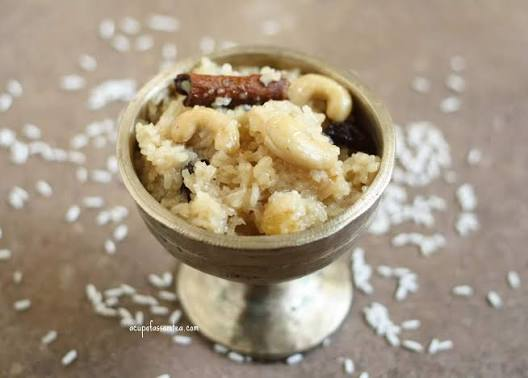
Bora Sawul is a traditional rice variety and an important part of Assamese food culture. Known for its distinctive sticky texture when cooked, this rice has been used in Assam for generations in both sweet and savory preparations. It is especially valued during festivals, celebrations, and traditional gatherings, where rice-based dishes play an important role.
Assamese cuisine is closely connected to the region’s agriculture, seasons, and locally grown ingredients. Rice is at the heart of this food culture, and different varieties have developed unique culinary uses. Bora Sawul is one such variety, offering a fascinating glimpse into the diversity of traditional rice in northeastern India.
At Shalimar, we celebrate India’s regional culinary traditions and the ingredients that make every cuisine unique.
What Is Bora Sawul?
Bora Sawul is a traditional glutinous or sticky rice variety associated with Assam. Unlike ordinary rice, it becomes naturally sticky and soft after cooking.
The word “Bora” is commonly associated with glutinous rice in Assamese, while “sawul” refers to rice. It is sometimes used to prepare traditional foods such as pitha, payas, and other festive dishes.
The rice does not necessarily require complicated seasoning to become enjoyable. Its natural texture makes it particularly useful in preparations where a soft and sticky consistency is desirable.
A Traditional Rice of Assam
Rice cultivation has played an important role in Assam for centuries. The state’s fertile plains, abundant water resources, and suitable climate support numerous rice varieties.
Traditional Assamese communities have developed different varieties for different purposes. Some rice is ideal for everyday meals, while specialty varieties are reserved for festivals and particular recipes.
Bora Sawul belongs to this important group of traditional grains.
Its presence in Assamese food demonstrates how agricultural diversity contributes directly to culinary diversity.
What Makes It Different?
The most noticeable characteristic of Bora Sawul is its texture.
When cooked, the grains become soft, sticky, and cohesive. This makes the rice particularly suitable for dishes where individual grains do not need to remain separate.
This quality distinguishes it from long-grain rice varieties commonly used for pulao or biryani.
The natural stickiness also makes it useful for shaping rice-based snacks and sweets.
For traditional cooks, choosing the right rice variety is an important part of achieving the correct texture in a recipe.
Traditional Uses
There are several ways this Assamese rice variety can be enjoyed. It is commonly associated with traditional preparations such as:
- Pitha
- Payas
- Rice-based sweets
- Festive dishes
- Breakfast preparations
- Traditional snacks
Some preparations combine it with milk and jaggery, creating a naturally rich and comforting dish.
Other recipes may pair it with savory ingredients.
This versatility makes the rice valuable in both everyday and celebratory cooking.
Bora Sawul and Assamese Festivals
Food plays a major role in Assamese festivals, particularly Bihu. Traditional rice varieties are frequently used to prepare festive dishes and sweets during celebrations.
Rice-based pitha is an important part of Assamese festival cuisine, with different varieties prepared according to regional and family traditions.
Bora Sawul can contribute its characteristic sticky texture to these preparations, helping create the consistency expected from certain traditional recipes.
Sharing homemade rice dishes during festivals also represents hospitality and community.
How Is It Traditionally Prepared?
Preparation methods depend on the dish being made.
For certain recipes, the rice is washed thoroughly and soaked before cooking. Soaking helps soften the grains and prepare them for steaming or cooking.
Depending on the recipe, the soaked rice may be cooked directly, steamed, ground, or combined with other ingredients.
For sweet preparations, ingredients such as jaggery, milk, coconut, sesame, or cardamom may be added.
Traditional cooking often depends on experience rather than precise measurements. The cook determines the appropriate consistency based on the texture of the rice and the desired final dish.
Pairing with Jaggery and Coconut
One of the appealing combinations in Assamese rice-based cuisine is sticky rice with jaggery and coconut.
Jaggery provides a deep, caramel-like sweetness, while coconut contributes richness and texture.
Sesame seeds can also be incorporated into traditional preparations, adding a pleasant nutty flavor.
These ingredients are simple but work beautifully together.
The combination reflects a broader characteristic of Assamese cooking: locally available ingredients are used thoughtfully rather than relying on complicated spice blends.
A Grain Connected to Assamese Identity
Traditional grains are closely connected to the agricultural heritage of Assam.
Before modern food systems became widespread, communities relied heavily on locally cultivated rice varieties. Each variety had particular qualities that made it useful for specific foods.
Preserving these rice varieties therefore means preserving part of the region’s culinary history.
Bora Sawul is more than simply a type of rice. It represents traditional farming knowledge, local food practices, festive cooking, and generations of culinary experience.
Why Traditional Rice Varieties Matter
Modern consumers often encounter only a small selection of rice varieties in supermarkets. Traditional regional varieties can offer a much broader perspective.
Different rice types can vary in:
- Texture
- Aroma
- Cooking time
- Grain size
- Culinary applications
- Cultural importance
Exploring specialty grains allows diners to understand why particular varieties became important in different regions.
For anyone interested in Indian food history, traditional rice varieties provide an excellent starting point.
How to Enjoy It
The best way to experience Bora Sawul is through a preparation that highlights its natural sticky texture.
Sweet versions pair particularly well with:
- Jaggery
- Coconut
- Milk
- Sesame
- Cardamom
- Seasonal fruits
Savory versions can be served with suitable traditional accompaniments depending on the recipe.
The rice’s naturally soft texture makes it particularly satisfying when served warm.
Assamese Cuisine at Shalimar
At Shalimar, we believe Indian cuisine is much more than a collection of famous dishes. Every region has its own ingredients, cooking techniques, and food traditions.
Assamese cuisine is especially fascinating because of its use of rice, freshwater fish, herbs, seasonal vegetables, fermented foods, bamboo shoots, and locally cultivated grains.
Introducing diners to traditional ingredients such as Bora Sawul provides an opportunity to appreciate the agricultural and cultural traditions behind Assamese food.
Why Choose Shalimar?
Shalimar is committed to celebrating India’s culinary diversity. Regional ingredients and traditional recipes help diners discover flavors that may not be part of their everyday meals.
Our appreciation for Indian food heritage extends from familiar favorites to lesser-known regional specialties.
Whether you are already familiar with Assamese cuisine or simply curious about traditional northeastern foods, exploring ingredients like Bora Sawul can make your culinary journey more interesting.
Conclusion
Bora Sawul is a distinctive traditional rice variety that holds an important place in Assamese food culture. Its naturally sticky texture makes it especially suitable for pitha, sweets, festive dishes, and other traditional preparations.
Its connection with Bihu and other cultural celebrations also demonstrates how food and agriculture are closely linked in Assam. From locally cultivated rice to family recipes passed through generations, this ingredient represents a rich culinary heritage.
At Shalimar, we proudly celebrate India’s regional food traditions and encourage food lovers to explore the unique ingredients, recipes, and cultural stories that make Indian cuisine so diverse.