

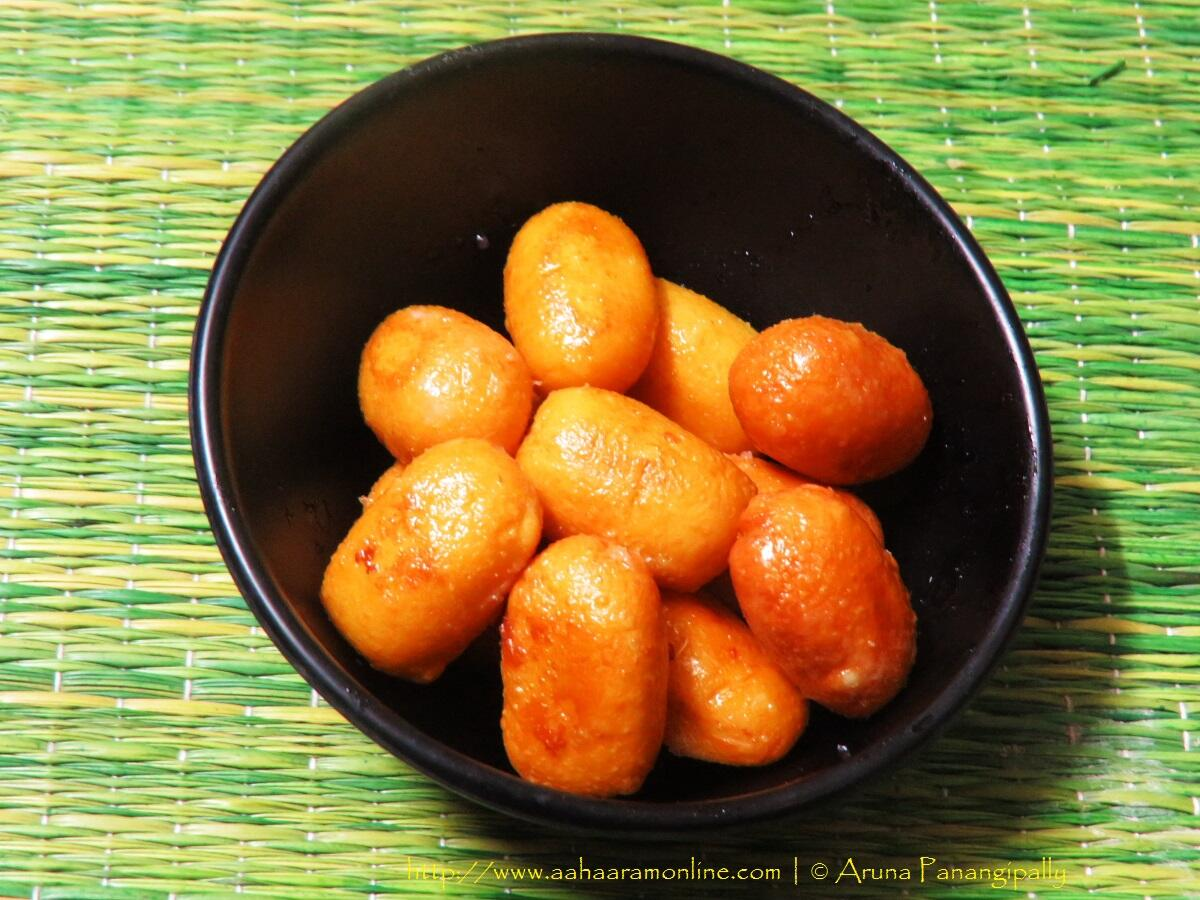
Chhenagaja is a traditional sweet from Odisha that showcases the remarkable creativity of Indian confectionery. Made primarily with fresh chhena and semolina, this sweet is shaped into small rectangular pieces and cooked with sugar syrup. Its soft, slightly chewy texture and rich sweetness make it a distinctive dessert among India’s many regional sweets.
Unlike some other famous chhena-based desserts, this Odia specialty remains particularly associated with Odisha. It is popular throughout the state, with Pahala near Bhubaneswar especially known for its preparation. At Shalimar, we celebrate India’s regional food traditions by bringing attention to traditional recipes that reflect the history and culture of different parts of the country.
What Is Chhenagaja?
Chhenagaja is an Odia sweet made from fresh chhena, which is a soft Indian fresh cheese, and sooji or semolina. The ingredients are kneaded together into a dough, shaped into rectangular pieces, and cooked in thick sugar syrup.
The preparation gives the sweet a distinctive texture. Unlike rasagola, which is soft and spongy, or chhenapoda, which develops a baked caramelized crust, this dessert has a denser and more substantial bite.
Its simple ingredients make it an excellent example of how traditional Indian sweet makers have transformed fresh dairy into a wide variety of regional delicacies.
The Odisha Connection
Odisha has a rich tradition of chhena-based sweets. The state is known for desserts such as rasagola, chhenapoda, rasabali, chhena jhili, and chhena kheeri. Chhenagaja is another important member of this culinary family.
Pahala, located near Bhubaneswar, is particularly well known for its traditional sweets, including this preparation. However, the sweet is enjoyed throughout Odisha and has become an important part of the state’s food culture.
Exploring such regional specialties gives food lovers an opportunity to experience a side of Indian cuisine that extends far beyond the country’s most internationally recognized sweets.
Main Ingredients
The traditional preparation requires only a few basic ingredients. These commonly include:
- Fresh chhena
- Semolina or sooji
- Sugar
- Water
- Cardamom
- Ghee or cooking oil
Some recipes may include additional flavorings or garnishes, but the foundation remains chhena, semolina, and sugar syrup.
Fresh chhena is particularly important because it determines the texture of the final sweet. It should be soft and properly drained before being kneaded.
How Is Chhenagaja Prepared?
The preparation begins with fresh chhena. Excess moisture is removed before it is combined with semolina.
The mixture is kneaded thoroughly until it develops a smooth and workable consistency. This step is important because properly kneaded chhena produces a more even texture.
The dough is then divided and shaped into small rectangular or square pieces, traditionally known as gajas. These pieces can then be cooked according to the particular regional method.
One traditional method involves cooking the shaped pieces in thick sugar syrup. Other recipes and regional styles may involve frying before the pieces are soaked in syrup.
The finished sweet absorbs the sweetness of the syrup while maintaining its characteristic shape and texture.
What Does It Taste Like?
The flavor is primarily sweet, with the mild dairy character of chhena providing balance. Semolina contributes structure, while cardamom can add a pleasant aromatic note.
Depending on the preparation method, the exterior may have a slightly firmer texture while the inside remains soft and moist.
When the pieces are allowed to dry slightly after being cooked in syrup, sugar can sometimes crystallize on the surface. This creates an additional texture and a subtle crunch.
The combination of dairy, sugar, and aromatic spices makes this dessert especially appealing to people who enjoy traditional Indian sweets.
Chhenagaja vs Chhenapoda
Both desserts are associated with Odisha and use chhena, but their preparation methods are quite different.
Chhenapoda is baked slowly until its surface develops a caramelized brown crust and smoky flavor. It is often compared to a traditional Indian-style cheesecake because of its soft interior and baked character.
Chhenagaja, on the other hand, is shaped into individual pieces and traditionally cooked with sugar syrup. Its texture and sweetness are therefore quite different.
Both desserts demonstrate the versatility of chhena in Odia cuisine.
Chhenagaja vs Rasagola
Rasagola and Chhenagaja share chhena as a key ingredient, but their textures and shapes differ considerably.
Rasagola is generally formed into round balls and cooked in sugar syrup, resulting in a soft, spongy texture.
The latter is traditionally shaped into rectangular pieces and has a denser bite. Although the basic ingredients may overlap, the preparation techniques create completely different dessert experiences.
This is a perfect example of how Indian sweet-making traditions can produce multiple distinctive dishes from similar ingredients.
Why Is Chhena Important?
Chhena is a fresh dairy product made by curdling milk and separating the solid curds from the whey. It has a soft texture and mild flavor, making it particularly useful for Indian desserts.
Odia confectioners have developed numerous recipes around chhena, demonstrating how versatile the ingredient can be.
The popularity of chhena-based sweets throughout Odisha reflects the importance of dairy and traditional sweet-making techniques in the region’s food culture.
When Is It Enjoyed?
Traditional Indian sweets are closely connected with celebrations and hospitality. Chhenagaja can be enjoyed during festivals, family gatherings, cultural occasions, celebrations, or simply as an after-meal dessert.
Its individual pieces also make it convenient to serve as part of a larger sweet platter.
For diners exploring Odia cuisine, it provides an excellent opportunity to discover a regional dessert that may be less familiar than rasagola or chhenapoda.
A Reflection of Odia Culinary Heritage
Regional sweets are more than just desserts. They preserve techniques, ingredients, and cultural traditions that have been passed down through generations.
Chhenagaja demonstrates how Odia cuisine uses simple ingredients creatively. Fresh cheese, semolina, and sugar are transformed through careful kneading, shaping, and cooking into a distinctive regional specialty.
At Shalimar, we believe discovering these traditional foods is an important part of appreciating India’s culinary diversity.
Why Choose Shalimar?
At Shalimar, we celebrate the flavors and traditions of different Indian regions. Our interest in regional cuisine allows guests to discover dishes that represent India’s diverse culinary heritage.
Traditional sweets are an important part of that experience. They provide an enjoyable way to explore the ingredients, techniques, and cultural traditions that have shaped Indian food over generations.
Whether you are already familiar with Odia cuisine or are trying it for the first time, regional specialties like this offer a delicious opportunity to discover something new.
Conclusion
Chhenagaja is a traditional Odia sweet made from fresh chhena, semolina, and sugar syrup. Its distinctive rectangular shape, rich sweetness, and soft yet substantial texture set it apart from other popular chhena-based desserts.
Its popularity in Odisha, particularly in places such as Pahala, reflects the state’s long-standing tradition of producing exceptional chhena sweets.
At Shalimar, we proudly celebrate India’s regional culinary heritage and the traditional recipes that make each part of the country unique. Exploring desserts like Chhenagaja is not simply about enjoying something sweet—it is also a delicious way to discover the history, creativity, and cultural richness of Indian cuisine.