

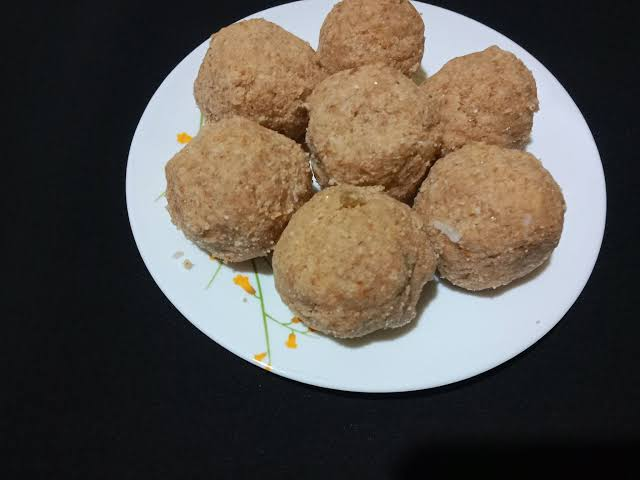
Hando Guri is a traditional Assamese food preparation that reflects the simple yet distinctive character of northeastern Indian cuisine. Assamese food is deeply connected with rice, seasonal ingredients, natural produce, and cooking methods passed down through generations. Among the region’s many traditional rice-based foods, Hando Guri offers an interesting glimpse into Assam’s culinary heritage.
Made with rice and enjoyed in traditional ways, this preparation is valued for its comforting texture and subtle flavor. It also reflects the Assamese practice of transforming staple ingredients into dishes suited to different occasions and seasons. At Shalimar, we celebrate India’s regional culinary traditions and the unique foods that tell the story of their communities.
What Is Hando Guri?
Hando Guri is a traditional rice preparation associated with Assamese cuisine. The name refers to a preparation involving rice that is processed and used in a simple, nourishing form.
Like many traditional foods from Assam, the exact preparation can vary between communities and households. Local traditions, available rice varieties, and personal preferences can influence how it is prepared and served.
The dish is appreciated not because of complicated spices or elaborate cooking, but because of its connection to everyday Assamese food culture.
Rice has always been central to Assamese meals, and preparations such as this demonstrate the many ways the staple grain can be incorporated into regional cuisine.
The Importance of Rice in Assamese Cuisine
Rice is much more than a staple food in Assam. It is an important part of the region’s agricultural life, culture, festivals, and everyday meals.
Assam has a wide variety of traditional rice varieties, each with different characteristics. Some are used for everyday meals, while others are associated with special occasions and traditional preparations.
Rice can be boiled, steamed, fermented, powdered, flattened, or transformed into sweets and snacks.
This versatility has allowed Assamese communities to develop a remarkable collection of rice-based foods.
Hando Guri belongs to this broader tradition of using rice creatively and efficiently.
Traditional Ingredients
The ingredients used in a traditional preparation are generally simple. Depending on the specific regional method, they may include:
- Rice
- Water
- Milk or curd
- Jaggery
- Sugar
- Coconut
- Sesame seeds
- Seasonal ingredients
Not every version uses all these ingredients. Some preparations may be especially simple, while others can be served with sweet or savory accompaniments.
The simplicity of the ingredient list allows the natural character of rice to remain prominent.
How Is It Traditionally Prepared?
The preparation begins with carefully selected rice. Depending on the traditional method, the rice may be washed, dried, roasted, or processed before being used.
Some versions involve grinding rice into a coarse or fine form, while others use specially prepared rice varieties.
The processed rice is then combined with other ingredients according to the desired preparation. If the dish is served as a sweet, jaggery, sugar, milk, or coconut may be used.
Traditional preparation methods often rely on experience rather than precise measurements. Families pass down techniques and proportions from one generation to another.
This makes regional food traditions particularly fascinating because no two household versions necessarily taste exactly the same.
The Role of Traditional Rice Processing
Traditional rice processing is an important part of Assamese food culture. Before modern food-processing equipment became common, households developed practical methods for cleaning, drying, roasting, grinding, and storing rice.
These techniques helped communities make the most of locally cultivated grains.
Processing rice could also change its texture and flavor, allowing it to be used in different recipes.
Such methods demonstrate the resourcefulness of traditional Indian cooking, where one staple ingredient can become the foundation for numerous dishes.
Flavor and Texture
One of the appealing qualities of this type of rice preparation is its relatively mild flavor.
Rather than relying on strong spice blends, the dish allows the rice and accompanying ingredients to provide the main character.
Depending on how it is prepared, the texture can be soft, smooth, coarse, or slightly grainy.
Sweet versions may have a gentle caramel-like taste when jaggery is used, while dairy can add richness and creaminess.
The result is generally comforting and suitable for diners who enjoy subtle traditional flavors.
When Is Hando Guri Enjoyed?
Traditional Assamese foods are often closely connected with seasons, festivals, and family occasions. Rice-based preparations can be served as breakfast, snacks, desserts, or components of larger meals depending on the recipe.
A preparation like this can be particularly appealing during cultural celebrations because it uses ingredients that are deeply rooted in local food traditions.
It can also be enjoyed as part of everyday home cooking.
The versatility of rice allows families to adapt traditional preparations to their own preferences and occasions.
Assamese Food and Seasonal Ingredients
Seasonality has a strong influence on Assamese cuisine. Traditional cooks have historically relied on ingredients that are available at particular times of the year.
Rice remains central throughout the seasons, while jaggery, coconut, sesame, dairy products, herbs, and other ingredients can be incorporated according to availability.
This seasonal approach encourages simple cooking and helps preserve local culinary traditions.
Hando Guri reflects this philosophy by placing a familiar staple ingredient at the heart of the preparation.
Cultural Significance
Food traditions are often closely connected to family and community identity. In Assam, traditional rice preparations can carry memories of festivals, village life, family kitchens, and seasonal celebrations.
Many recipes are not simply written down. Instead, cooking techniques are learned by watching parents and grandparents.
This oral and practical transmission allows traditional dishes to survive while still evolving over time.
At Shalimar, we believe learning about this cultural background adds another dimension to enjoying regional Indian cuisine.
Why Explore Assamese Cuisine?
Indian cuisine is incredibly diverse, and Assamese food offers a distinctive perspective on the country’s culinary traditions.
Its use of rice, freshwater fish, herbs, seasonal vegetables, fermented ingredients, bamboo shoots, and locally available produce creates flavors that differ from many better-known Indian cuisines.
Exploring traditional Assamese dishes allows diners to discover how geography and culture influence food.
Rice-based preparations are particularly important because they demonstrate the creativity that can develop around a staple ingredient.
Why Choose Shalimar?
At Shalimar, we celebrate the rich culinary diversity of India. Our approach is centered on traditional flavors, quality ingredients, and an appreciation for regional food heritage.
We believe that exploring lesser-known dishes can be just as rewarding as enjoying India’s most famous foods. Every regional specialty offers an opportunity to discover new ingredients, cooking techniques, and cultural stories.
Whether you already know Assamese cuisine or are discovering it for the first time, Shalimar provides an inviting setting to explore the flavors of India’s diverse regions.
Conclusion
Hando Guri represents the simple and resourceful character of traditional Assamese food. Centered around rice and adaptable to different ingredients and occasions, it reflects the importance of rice in Assam’s agricultural and culinary heritage.
Its mild flavors and traditional preparation demonstrate that memorable food does not always require complicated recipes or heavy seasoning. Sometimes, carefully prepared staple ingredients can tell the most meaningful culinary stories.
At Shalimar, we proudly celebrate India’s regional food traditions and invite our guests to explore the distinctive ingredients, recipes, and cultural heritage that make Assamese cuisine such a fascinating part of India’s culinary landscape.