

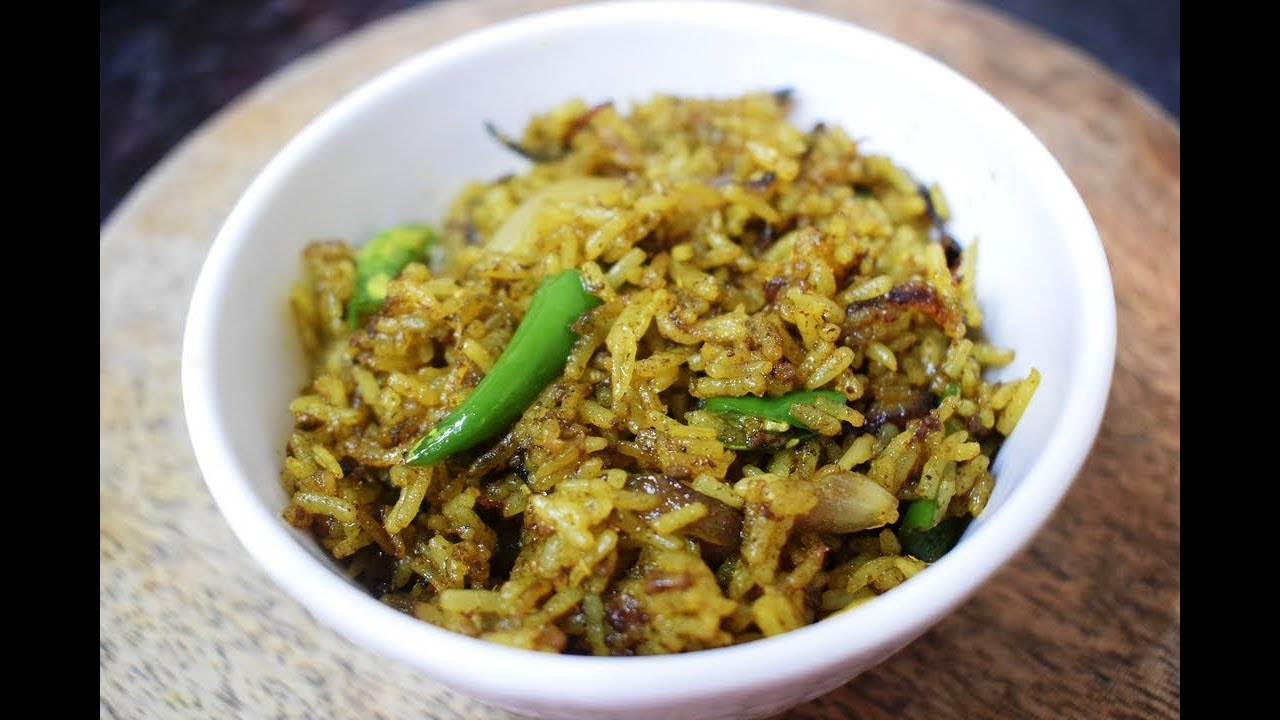
Masor Petu is a traditional Assamese fish preparation that reflects the simplicity, freshness, and distinctive cooking style of northeastern India. Assamese cuisine is deeply connected to the natural resources of the region, particularly its rivers, wetlands, fertile farmland, and seasonal produce. Fish has always played an important role in Assamese meals, and a wide variety of preparations have developed around locally available freshwater fish.
Unlike rich curries that depend heavily on cream, thick sauces, or large quantities of spices, Assamese fish dishes often allow the natural taste of the fish to remain at the center. This makes them particularly interesting for diners who enjoy light yet flavorful regional food. At Shalimar, we celebrate India’s diverse culinary traditions and the regional dishes that represent its rich food heritage.
What Is Masor Petu?
The word “masor” is commonly associated with fish in Assamese cuisine. The term “petu” can have local culinary meanings depending on the particular preparation and community.
As with many traditional regional dishes, recipes can differ from one household to another. The preparation may involve specific parts of the fish, selected herbs, vegetables, and mild seasonings. Rather than following one standardized recipe, traditional Assamese cooking often adapts to the fish and ingredients available locally.
Fish in Assamese Cuisine
Fish is an important part of traditional Assamese food culture. Assam has an extensive network of rivers, ponds, wetlands, and streams, providing access to numerous freshwater varieties.
Fish is commonly served with rice, which is the staple food of the region. Depending on the occasion and recipe, it can be fried, steamed, cooked with vegetables, prepared with a souring ingredient, or incorporated into flavorful gravies.
These preparations demonstrate the versatility of fish and the resourcefulness of Assamese home cooking.
At Shalimar, we appreciate the traditions behind these dishes and the important role they play in regional Indian cuisine.
Traditional Ingredients
The ingredients used in Assamese fish preparations are generally straightforward. Depending on the recipe, they may include:
- Fresh freshwater fish
- Mustard oil
- Turmeric
- Salt
- Green chilies
- Ginger
- Garlic
- Fresh coriander
- Cumin
- Seasonal vegetables
Some variations may also include tomatoes, lemon, raw mango, or other souring ingredients.
Mustard oil is particularly important in many eastern and northeastern Indian recipes. Its strong aroma and earthy flavor can complement freshwater fish beautifully.
The exact combination depends on the regional style and the cook’s preference.
How Is Masor Petu Prepared?
Traditional fish preparation begins with carefully cleaning the fish. The pieces are usually seasoned with salt and turmeric before cooking.
Depending on the recipe, the fish may be lightly fried in mustard oil. This creates a delicate golden exterior while helping the fish retain its shape during the remaining cooking process.
A separate base may be prepared using ginger, garlic, chilies, vegetables, or other regional ingredients. The fish is then added and cooked gently until it becomes tender.
The final preparation should have a balanced flavor, with the seasoning complementing rather than hiding the natural character of the fish.
What Makes Assamese Fish Preparations Unique?
Several characteristics distinguish Assamese fish dishes from many other Indian preparations.
Fresh Ingredients
Fresh fish and seasonal produce form the foundation of many recipes.
Mustard Oil
Mustard oil provides a distinctive aroma and flavor.
Light Cooking
Many preparations avoid excessively thick or creamy gravies.
Rice Pairing
Fish is traditionally enjoyed with steamed rice.
These qualities create meals that are flavorful, comforting, and closely connected to Assam’s natural environment.
The Importance of Fresh Fish
Freshness is particularly important when preparing a lightly seasoned fish dish. When there are fewer strong spices or sauces, the quality of the fish becomes much more noticeable.
Fresh freshwater fish should have a clean aroma and firm texture. Proper cleaning and cutting are also important because they help the fish cook evenly.
Traditional cooks often use locally available varieties, allowing seasonal availability to influence the dish.
This relationship between ingredients and geography is an important characteristic of Assamese food culture.
Best Way to Serve It
A traditional Assamese-style fish dish is often served with freshly steamed rice. The mild taste of rice provides a perfect background for the seasoned fish.
It can also be accompanied by:
- Dal
- Seasonal vegetables
- Green chilies
- Fresh herbs
- Pickles
- Simple salads
Keeping the accompaniments relatively simple allows the main fish preparation to remain the focus of the meal.
For someone trying Assamese cuisine for the first time, a fish-and-rice combination is one of the easiest ways to appreciate the region’s traditional approach to food.
Regional Variations
One of the fascinating things about Assamese cuisine is the variation between households and communities. A dish prepared in one part of Assam may taste noticeably different from a similar preparation made elsewhere.
The choice of fish, vegetables, herbs, souring ingredients, and spices can all change.
Some cooks prefer a drier preparation, while others may create a light gravy. Certain versions may have a stronger mustard flavor, whereas others emphasize fresh herbs or chilies.
These differences are part of the richness of traditional Indian cuisine.
The Cultural Connection
Food in Assam is closely connected with family, agriculture, seasons, and local surroundings. Traditional recipes have been passed down through generations, often without written measurements.
Instead, cooks learned by watching parents and grandparents prepare meals.
Fish-based dishes are therefore more than everyday recipes. They represent a culinary relationship between Assam’s waterways and the communities that have depended on them for generations.
At Shalimar, we believe understanding this cultural background makes regional food even more meaningful.
Why Explore Assamese Cuisine?
Assamese cuisine offers a different perspective, emphasizing freshwater fish, rice, herbs, seasonal vegetables, fermented ingredients, mustard oil, and subtle spices.
Exploring these foods gives diners an opportunity to experience flavors that may be very different from the familiar curries and breads found elsewhere in India.
Why Choose Shalimar?
At Shalimar, our goal is to celebrate India’s regional culinary diversity. We value dishes that showcase traditional ingredients and cooking methods while giving guests the opportunity to discover new flavors.
Regional specialties are an important part of India’s food identity, and we believe they deserve to be explored and appreciated.
Whether you already enjoy Assamese cuisine or are discovering it for the first time, Shalimar offers a welcoming place to explore India’s rich culinary traditions.
Conclusion
Masor Petu represents the simplicity and freshness associated with traditional Assamese cooking. Fish, mustard oil, herbs, chilies, and carefully selected ingredients can create a flavorful preparation without relying on heavy sauces or excessive spices.
Served alongside steamed rice and simple accompaniments, it reflects Assam’s deep connection with freshwater fish and local food traditions. Regional variations further demonstrate how traditional recipes evolve between communities and generations.
At Shalimar, we proudly celebrate India’s diverse culinary heritage and invite our guests to discover the distinctive flavors, ingredients, and traditions that make Assamese cuisine so fascinating.