

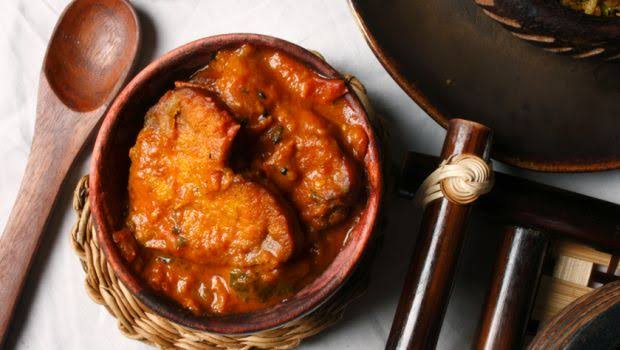
Maasor Tenga is a traditional Assamese fish curry celebrated for its light texture, refreshing sourness, and delicate use of spices. Unlike rich and heavily spiced curries, this beloved dish focuses on simplicity, allowing the natural flavor of fresh fish to remain at the center of the meal. Its characteristic tanginess makes it especially appealing during warm weather and is often enjoyed with steamed rice.
Assamese cuisine is known for its thoughtful use of local ingredients, seasonal vegetables, herbs, and subtle spices. At Shalimar, we celebrate India’s regional culinary traditions by introducing guests to dishes that represent the unique flavors and food culture of different parts of the country.
What Is Maasor Tenga?
Maasor Tenga is a traditional Assamese fish preparation in which fish is cooked in a thin, mildly sour gravy. The Assamese word “maas” refers to fish, while “tenga” means sour or tangy.
The sourness can come from several ingredients depending on the regional or family recipe. Tomatoes, lemon, elephant apple, raw mango, or other naturally tart ingredients may be used.
The final curry is generally light, aromatic, and refreshing. It is traditionally served with plain steamed rice, creating a simple yet satisfying Assamese meal.
The Assamese Tradition Behind the Dish
Assamese cuisine reflects the state’s rich natural environment and agricultural traditions. Rice is a major staple, while freshwater fish has long been an important source of food for communities across the region.
Rivers, wetlands, ponds, and other waterways provide access to numerous varieties of fish. As a result, fish-based preparations have become an important part of Assamese home cooking.
Rather than relying on large quantities of spices, traditional Assamese recipes often emphasize the natural taste of their main ingredients. This philosophy is clearly reflected in this light fish curry.
At Shalimar, we appreciate recipes that demonstrate how regional cooking can create complex flavors without excessive seasoning.
Common Fish Used
The choice of fish can vary according to availability and local preference. Freshwater varieties are particularly common in Assamese cooking.
Depending on the recipe, cooks may use:
- Rohu
- Catla
- Small river fish
- Local freshwater fish
- Other seasonal varieties
Fresh fish is essential because the curry uses relatively few spices. When the seasoning is subtle, the quality of the primary ingredient becomes even more noticeable.
The fish is usually cleaned carefully, seasoned with salt and turmeric, and lightly fried before being added to the sour gravy.
Traditional Ingredients
The ingredient list is generally simple and adaptable.
Common ingredients include:
- Fresh fish
- Tomatoes
- Turmeric
- Green chilies
- Mustard oil
- Ginger
- Salt
- Coriander
- Lemon or another souring ingredient
Depending on the regional version, vegetables such as potatoes, bottle gourd, or raw mango may also be included.
The souring ingredient is the defining element. It should provide a noticeable tang without overpowering the fish.
At Shalimar, carefully balancing these flavors helps preserve the delicate character of this Assamese specialty.
How It Is Traditionally Prepared
The fish is first cleaned and lightly seasoned with salt and turmeric. It may then be fried briefly in mustard oil until the surface becomes lightly golden.
The curry base is prepared separately. Depending on the recipe, tomatoes or another souring ingredient are cooked with ginger, green chilies, and mild spices.
Water is added to create a thin gravy, which is simmered until the flavors combine. The fried fish is then added and cooked gently for a short period.
The curry should not be overly thick. Its light consistency is one of its defining characteristics and makes it particularly enjoyable with steamed rice.
At Shalimar, our approach to regional dishes focuses on maintaining a balance between traditional flavors and careful preparation.
What Makes Maasor Tenga Different?
Several qualities distinguish this Assamese fish curry from richer Indian preparations.
Light Gravy
The curry usually has a thin and refreshing consistency rather than a thick sauce.
Pleasant Sourness
The tangy element provides a distinctive flavor that makes the dish refreshing.
Mild Spicing
Spices are used carefully so they do not overpower the fish.
Fresh Ingredients
Fresh fish, herbs, tomatoes, and seasonal produce contribute to the overall flavor.
Rice Pairing
Steamed rice provides the ideal base for enjoying the light gravy.
This simplicity is exactly what makes the dish so appealing.
Different Variations
There is no single version of this traditional curry. Assamese households often adapt the recipe based on the ingredients available in their region.
Tomato-based versions are popular because tomatoes provide both acidity and subtle sweetness. Some preparations use elephant apple, a traditional Assamese ingredient known for its tart flavor.
Raw mango can also be used during its season, creating a particularly refreshing curry.
Other versions may include vegetables to add additional texture and flavor.
These variations demonstrate how Assamese cuisine adapts traditional cooking methods to seasonal ingredients.
Best Way to Serve It
The most traditional accompaniment is plain steamed rice. The mild grains allow the tangy gravy and delicate fish flavor to remain prominent.
It can also be served alongside:
- Dal
- Seasonal vegetables
- Fresh herbs
- Green chilies
- Simple salads
- Pickles
Because the curry is light, it works particularly well as part of a larger traditional rice-based meal.
For diners trying Assamese cuisine for the first time, serving it with plain rice provides an excellent introduction to the region’s subtle approach to seasoning.
When to Enjoy This Assamese Specialty
This fish curry can be enjoyed as part of everyday meals as well as special occasions. Its refreshing character makes it especially suitable for warm afternoons.
It is ideal for:
- Family lunches
- Weekend meals
- Traditional Assamese food events
- Festive gatherings
- Light dinners
- Regional cuisine experiences
Its simplicity also makes it a good choice for diners who prefer flavorful food without heavy sauces or excessive spice.
The Importance of Regional Indian Cuisine
India’s culinary identity is made up of countless regional traditions. Assamese cuisine is particularly interesting because of its focus on fresh ingredients, subtle spices, rice, fish, herbs, and seasonal produce.
Traditional dishes such as this one show that Indian food does not always need to be rich or intensely spiced to be flavorful.
At Shalimar, we believe exploring regional dishes is an excellent way to understand the incredible diversity of Indian food culture.
Why Choose Shalimar?
At Shalimar, we aim to bring together traditional Indian flavors from different regions. Our chefs focus on quality ingredients, careful preparation, and balanced seasoning to create memorable dishes.
We believe regional specialties deserve to be celebrated because they carry the history, traditions, and culinary knowledge of the communities that created them.
Whether you are familiar with Assamese cuisine or discovering it for the first time, Shalimar provides an opportunity to explore authentic regional flavors in a welcoming setting.
Conclusion
Maasor Tenga is a beautiful representation of Assamese culinary philosophy. Fresh fish, a light broth, carefully selected ingredients, and a pleasant sour flavor come together to create a refreshing dish that pairs perfectly with steamed rice.
Its simplicity is its greatest strength. Rather than hiding the natural flavor of fish beneath heavy spices, the preparation enhances it with subtle seasoning and refreshing acidity.
At Shalimar, we proudly celebrate India’s regional culinary heritage and invite our guests to discover the delicate flavors and traditions behind this classic Assamese fish curry.