

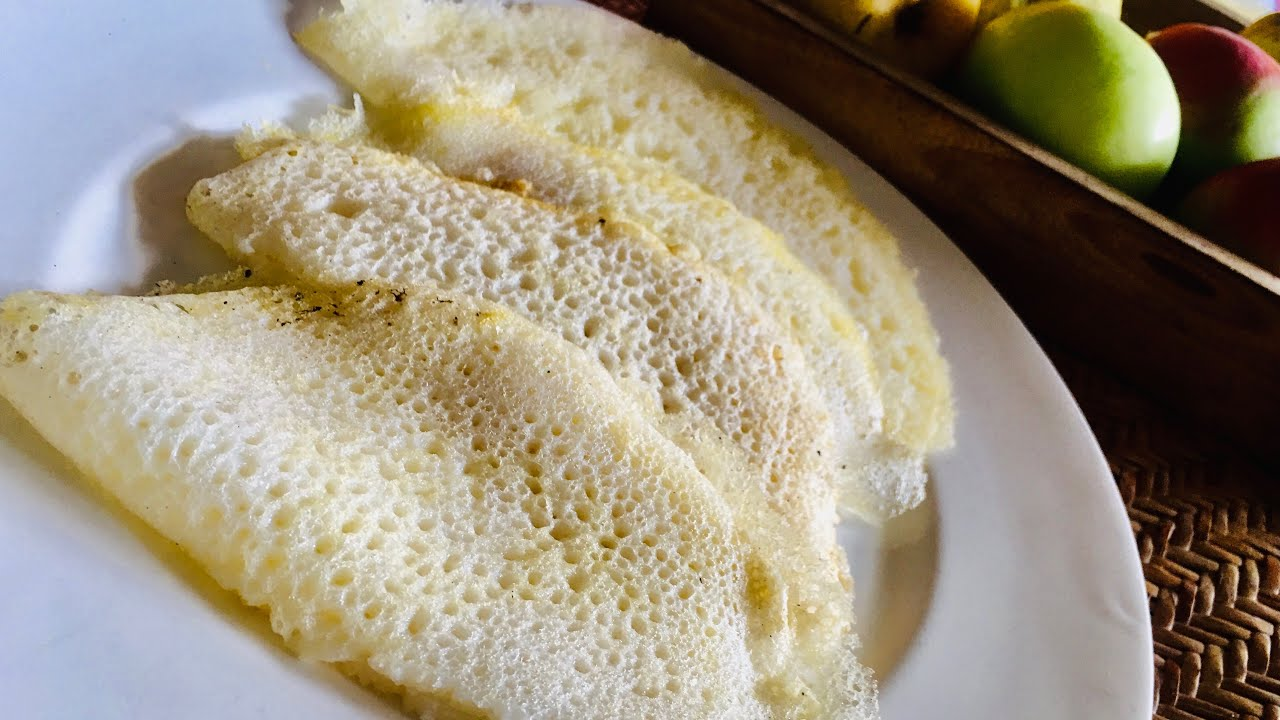
Pani Pitha is a traditional South Asian delicacy that showcases the creativity of regional Indian cuisine. Made using simple ingredients and traditional cooking techniques, this dish is especially associated with eastern and northeastern parts of the Indian subcontinent. Depending on the region, the preparation, filling, shape, and serving style can vary significantly.
Soft, comforting, and often enjoyed with sweet syrup or other accompaniments, this traditional dish has remained popular through generations. At Shalimar, we celebrate India’s diverse culinary heritage by bringing regional flavors and traditional food traditions to our guests.
What Is Pani Pitha?
Pani Pitha is a type of traditional pitha, a broad category of rice- or flour-based preparations popular across several eastern regions. The word “pitha” generally refers to traditional cakes, dumplings, pancakes, or steamed preparations made using ingredients such as rice flour, wheat flour, coconut, jaggery, or sugar.
The word “pani” is associated with the liquid or syrup used in certain versions of the preparation. Depending on local traditions, the dish may have a sweet filling or be served with a flavorful liquid accompaniment.
Because pitha recipes differ from one region to another, there is no single universal method for preparing this delicacy.
At Shalimar, we appreciate the regional diversity that makes Indian cuisine so fascinating.
The History of Pitha in Indian Cuisine
Pitha has been part of the culinary traditions of eastern India for generations. It is particularly important in regions where rice has historically been a major staple.
Traditional pitha preparations were often made during harvest celebrations, winter festivals, religious occasions, and family gatherings. Freshly harvested rice could be ground into flour and transformed into a variety of sweet and savory dishes.
These recipes were passed down through families, with each community developing its own techniques and flavors.
Pitha-making is more than cooking; it is also a reflection of local culture, seasonal ingredients, and family traditions.
At Shalimar, we proudly celebrate the cultural heritage behind traditional Indian foods.
Common Ingredients
The ingredients used depend on the particular regional style. Traditional preparations may include:
- Rice flour
- Wheat flour
- Coconut
- Jaggery
- Sugar
- Water
- Cardamom
- Milk
- Ghee
- Salt
Coconut and jaggery are particularly popular in sweet pitha preparations. Their combination creates a naturally rich filling with a pleasant balance of sweetness and nuttiness.
Some recipes may also use sesame seeds, nuts, or aromatic spices for additional flavor.
The simplicity of these ingredients demonstrates how traditional Indian cooks have created delicious dishes from locally available foods.
How It Is Traditionally Prepared
The preparation varies according to the style being made. In many traditional recipes, rice flour is combined with warm water to form a soft dough or batter.
If the preparation includes a filling, coconut may be cooked with jaggery and cardamom until the mixture becomes aromatic and cohesive.
Careful cooking is important because the dough needs to become tender without losing its structure.
At Shalimar, traditional preparation methods help preserve the authentic character of regional Indian dishes.
Why Pani Pitha Is Special
Several qualities make this traditional delicacy appealing.
Simple Ingredients
The basic preparation can rely on inexpensive and locally available ingredients.
Soft Texture
Steaming or gentle cooking can produce a delicate and tender exterior.
Natural Sweetness
Jaggery and coconut can provide a rich sweetness without requiring complicated flavoring.
Regional Diversity
Different communities prepare their own versions, creating an incredible variety of shapes and flavors.
At Shalimar, we believe this diversity is one of the most beautiful aspects of Indian cuisine.
Pani Pitha and Festivals
Pitha is especially important during seasonal and cultural celebrations. In many eastern Indian communities, winter is traditionally associated with freshly prepared rice-based sweets.
Festivals and family gatherings provide opportunities for relatives to prepare different varieties together. The process of making pitha can itself become a social and cultural activity.
- Harvest celebrations
- Winter festivals
- Religious occasions
- Family gatherings
- Weddings
- Cultural events
- Festive meals
At Shalimar, we value dishes that connect food with traditions and celebrations.
Popular Pitha Varieties
India and neighboring South Asian regions have a remarkable selection of pitha preparations. Some are sweet, while others are savory.
Popular varieties include:
- Bhapa pitha
- Chitoi pitha
- Patishapta
- Doodh puli
- Puli pitha
- Tal pitha
- Gokul pitha
Each variety has its own preparation technique and flavor profile. Some are steamed, some fried, and others cooked on a griddle.
This diversity highlights the creativity of regional cooks and the versatility of rice-based ingredients.
Best Ways to Enjoy It
- Jaggery syrup
- Coconut
- Milk
- Sweetened condensed milk
- Cardamom
- Tea
- Other traditional sweets
Warm servings are particularly comforting during cooler months, while some varieties can also be enjoyed at room temperature.
A simple presentation often works best because it allows the natural flavors of rice, coconut, and jaggery to remain prominent.
Why Traditional Pitha Matters
Traditional dishes such as pitha are important because they preserve culinary knowledge that has been passed between generations. Modern food culture offers countless new flavors, but traditional recipes provide a connection to local history and seasonal practices.
The preparation techniques used for pitha also demonstrate how Indian cuisine developed around ingredients that were readily available to local communities.
At Shalimar, we believe preserving and celebrating these food traditions gives diners an opportunity to experience India’s rich cultural diversity.
Why Choose Shalimar?
At Shalimar, our goal is to introduce guests to the incredible variety of Indian cuisine. We value authentic flavors, carefully selected ingredients, and traditional preparation techniques.
Our menu reflects India’s diverse culinary heritage, allowing guests to discover dishes inspired by different regions and communities.
Whether you are looking for a comforting traditional dessert or want to explore lesser-known regional specialties, Shalimar offers a welcoming setting for discovering Indian flavors.
Conclusion
Pani Pitha represents the beauty of traditional Indian food culture, where simple ingredients are transformed into memorable dishes through patience and skill. Its connection with rice, coconut, jaggery, festivals, and family traditions makes it much more than an ordinary sweet.
Different regions have developed their own interpretations, ensuring that pitha remains a diverse and evolving part of Indian cuisine. At Shalimar, we proudly celebrate these regional traditions and the stories behind them, giving our guests an opportunity to discover the authentic flavors and cultural heritage of India’s traditional foods.