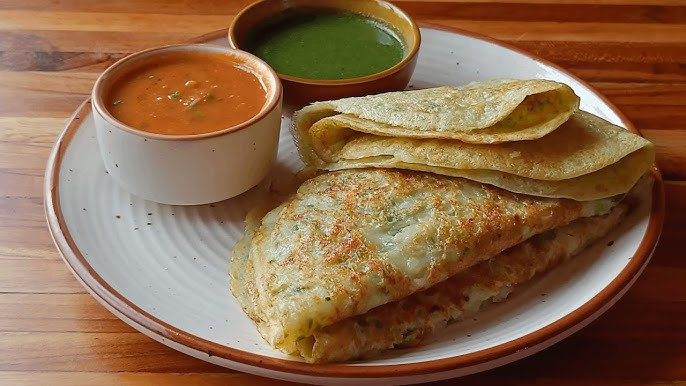

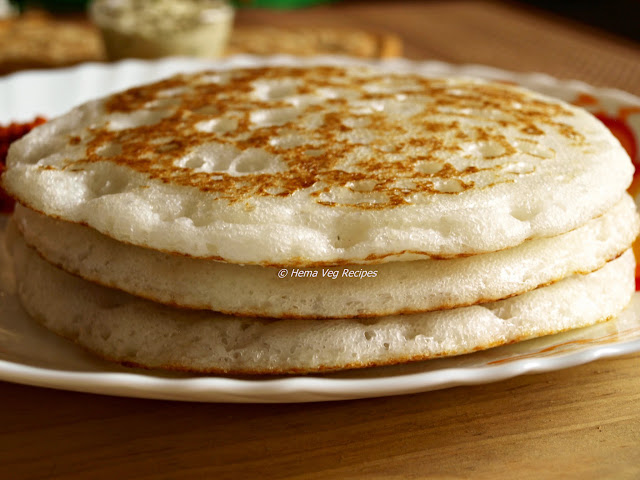
Sponge Dosa is a popular South Indian breakfast dish known for its soft texture, delicate flavour, and slightly spongy appearance. Unlike thin and crispy dosa varieties, this dosa is thicker, softer, and filled with tiny holes that develop during cooking. Its gentle tanginess and airy texture make it a delicious choice for breakfast, brunch, or a light meal.
Prepared with a fermented batter made from rice and lentils, Sponge Dosa reflects the traditional cooking methods of South India. It is usually served with coconut chutney, tomato chutney, or flavourful sambar. Whether enjoyed at home or discovered at an Indian restaurant, this comforting dish offers a different experience from the familiar crispy dosa.
What Is Sponge Dosa?
Sponge Dosa is a soft, thick pancake-like dosa prepared using fermented batter. Its defining feature is its airy texture, which resembles a sponge. Small holes appear on the surface as the batter cooks, giving the dosa its distinctive look.
Unlike masala dosa, which is often thin and crisp and filled with spiced potatoes, this variety is usually served plain. Its mild flavour allows the taste of the fermented batter to stand out while pairing easily with chutneys and lentil-based accompaniments.
Recipes differ by region and household. Some use rice and urad dal, while others include poha or cooked rice to achieve a softer texture.
Ingredients Used to Make Sponge Dosa
The ingredients are simple, but the right proportions and fermentation process help produce the desired texture.
- Rice: Forms the main base of the batter.
- Urad dal: Adds structure and helps create a light texture.
- Poha: Sometimes included to make the dosa softer.
- Fenugreek seeds: Often used in small quantities to support fermentation.
- Water: Helps achieve a smooth, pourable batter.
- Salt: Enhances the flavour.
Some recipes use a combination of rice varieties or a small amount of cooked rice. These variations can influence the softness and thickness of the final dosa.
How Is Sponge Dosa Prepared?
Preparing this dosa at home requires planning because the batter needs time to ferment.
Step 1: Soak the Ingredients
Wash the rice and urad dal separately until the water runs relatively clear. Soak them in water for several hours. If using poha or fenugreek seeds, soak them according to the recipe as well.
Step 2: Grind the Batter
Drain the soaked ingredients and grind them with enough fresh water to form a smooth batter. The mixture should be thick enough to hold its shape briefly but loose enough to spread gently on a hot pan.
Step 3: Allow the Batter to Ferment
Transfer the batter to a large bowl, leaving room for it to rise. Cover and leave it in a warm place until it becomes airy and slightly increased in volume. Fermentation time depends on the temperature and the ingredients used.
Once fermentation is complete, add salt and stir gently. Avoid overmixing, as the batter should retain some of its airiness.
Step 4: Cook the Dosa
Heat a lightly greased non-stick pan or seasoned griddle over medium heat. Pour a ladleful of batter onto the centre and allow it to spread naturally into a thick round shape. Unlike a crispy dosa, it generally does not need to be spread into a very thin layer.
Cook until bubbles and small holes form on the surface and the bottom is lightly golden. Depending on the recipe, the dosa may be cooked on one side with a lid or flipped briefly to cook the other side.
Step 5: Serve Fresh
Remove the dosa from the pan and serve while warm. Its soft interior and lightly cooked surface are best enjoyed fresh with chutney or sambar.
What Makes Sponge Dosa Different from Regular Dosa?
The main difference lies in the texture and cooking method. A traditional crispy dosa is spread into a thin layer and cooked until golden and crunchy. Sponge Dosa is thicker and remains soft, with small holes across its surface.
Its batter may also contain ingredients such as poha or cooked rice to encourage softness. The dosa is usually cooked at a moderate temperature so the inside cooks properly without the exterior becoming overly crisp.
Both varieties rely on fermentation, but they offer different textures and serving experiences.
Best Side Dishes to Serve with Sponge Dosa
The mild flavour of this dosa makes it compatible with a range of traditional South Indian accompaniments.
Coconut Chutney
Fresh coconut chutney adds a creamy texture and mild sweetness that complements the soft dosa.
Tomato Chutney
Tomato chutney provides a tangy, savoury flavour. Chillies and other spices can be added according to taste.
Sambar
This lentil-based vegetable stew adds warmth, flavour, and extra substance to the meal. Its savoury broth pairs particularly well with soft dosa.
Vegetable Kurma
A mildly spiced vegetable kurma can be served alongside the dosa for a richer meal. Its creamy consistency contrasts nicely with the airy texture.
Tips for Making Soft and Fluffy Sponge Dosa
A few practical tips can help improve the results:
- Ferment properly: An airy, well-fermented batter helps create the characteristic holes.
- Use the right consistency: Batter that is too thick may not cook evenly, while excessively thin batter can produce a flat dosa.
- Control the heat: Medium heat helps the dosa cook through while remaining soft.
- Avoid spreading too thinly: Keeping the batter relatively thick helps preserve its sponge-like texture.
- Use a suitable pan: A properly heated, seasoned griddle or non-stick pan makes cooking easier.
Is Sponge Dosa a Healthy Breakfast Option?
Sponge Dosa provides carbohydrates from rice and some protein from urad dal. Fermentation changes the batter’s characteristics and can improve its flavour and digestibility for some people. The overall nutritional value depends on the recipe, portion size, cooking oil, and accompanying dishes.
Pairing it with sambar or another lentil-based dish adds protein and fibre, while coconut or vegetable chutneys contribute additional flavours and nutrients. Using a moderate amount of oil can help keep the meal balanced.
Why Try Traditional South Indian Food at Shalimar?
At Shalimar, exploring regional Indian dishes offers a chance to appreciate the variety of flavours and cooking techniques found across the country. Sponge Dosa is an appealing choice for anyone who prefers a soft, fluffy alternative to crisp dosa varieties.
Served with traditional chutneys or sambar, it makes a comforting breakfast or light meal. Its simple ingredients and distinctive texture highlight the importance of fermentation in South Indian cuisine.
Conclusion
Sponge Dosa is a delicious South Indian speciality celebrated for its airy texture, mild tanginess, and versatility. Made with fermented batter and cooked until small holes appear across its surface, it offers a softer alternative to traditional crispy dosa.
When paired with coconut chutney, tomato chutney, or sambar, it becomes a satisfying meal suitable for breakfast or brunch. For anyone interested in traditional Indian food, Sponge Dosa is a wonderful dish to explore.